
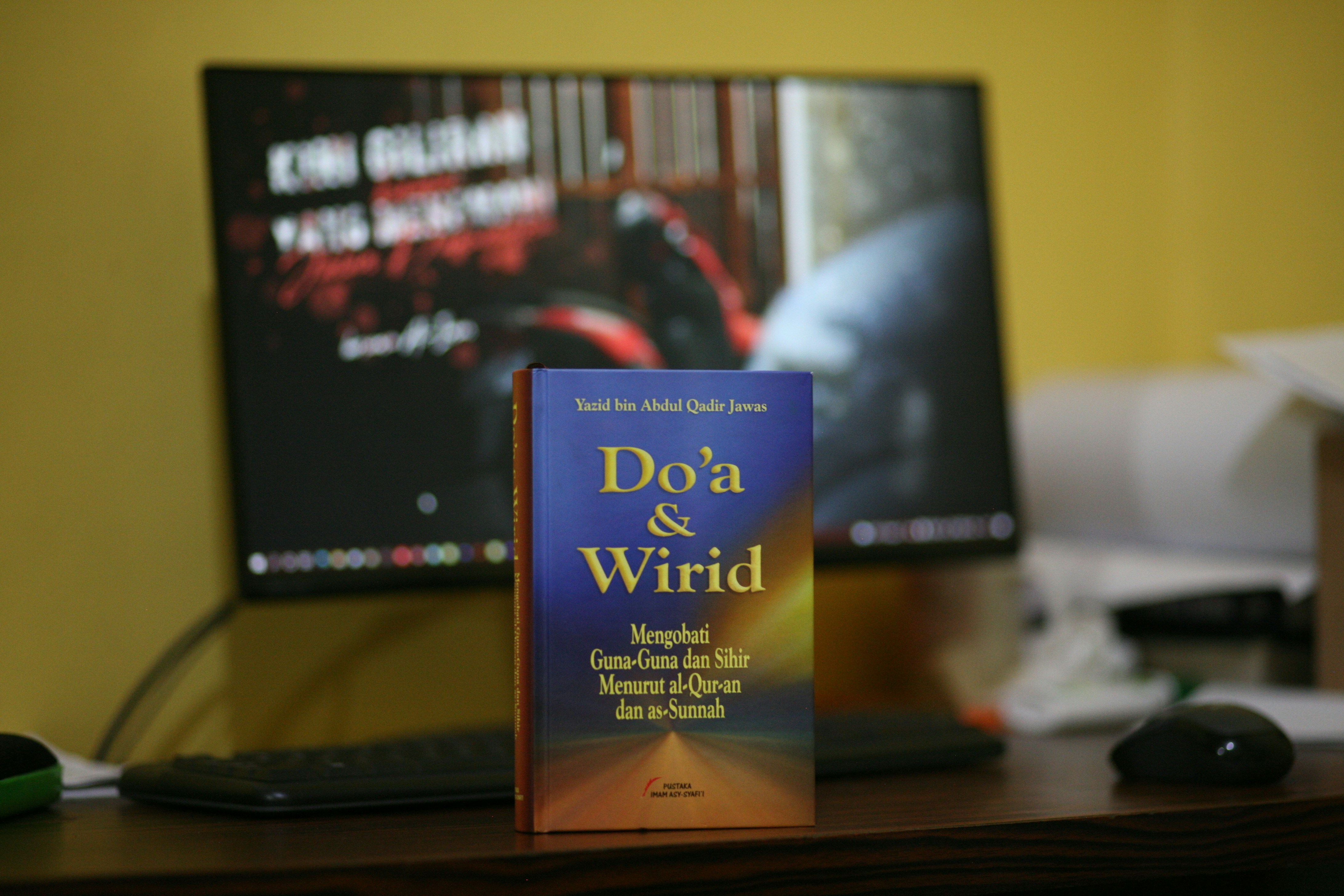
Introduction to Dua
Dua, an Arabic term meaning supplication, holds profound significance within the Islamic faith. It serves as a direct line of communication between the believer and Allah, allowing individuals to express their innermost thoughts, needs, and desires. Unlike formal prayers, dua can be made at any time and in any language, emphasizing its personal nature and the intimate relationship it fosters between the supplicant and God.
In Islam, dua is regarded as an essential practice that reflects one’s faith and reliance on Allah. It is not just a means of seeking assistance; it is a manifestation of trust, humility, and appreciation. The concept underscores the belief that Allah is always listening, and He encourages His followers to reach out for guidance and support through heartfelt supplication. This accessibility reinforces the notion that no matter the circumstances, believers are never alone in their struggles.
Engaging in dua can be a powerful tool for spiritual growth and emotional healing. It encourages reflection and mindfulness, allowing individuals to clearly articulate their needs and aspirations. As such, dua plays a crucial role in daily life, providing comfort in times of despair, expressing gratitude during moments of joy, and serving as a source of hope when challenges arise.
Moreover, dua is often infused into various aspects of a Muslim’s life, such as during personal moments of distress, formal prayer sessions, or community gatherings. This practice is not merely ritualistic; it is deeply rooted in the belief that Allah listens and responds. In essence, dua cultivates a sense of spirituality that enhances one’s connection to their faith, reinforcing the idea that a heartfelt plea can be a catalyst for change and a means to address life’s myriad challenges.
The Importance of Seeking Help through Dua
Dua, or supplication, is a fundamental aspect of Islamic practice that serves as a means of communication with Allah. For Muslims, seeking help through dua is not simply a ritual; it embodies a profound belief in divine assistance during life’s challenges. In times of distress, Muslims turn to dua as a source of comfort, expressing their needs, fears, and hopes. By entrusting their concerns to Allah, believers cultivate a spiritual reliance that fosters resilience and inner peace.
The psychological benefits of prayer and supplication are well-documented. Engaging in dua can mitigate stress, enhance emotional well-being, and instill a sense of purpose. The act of articulating one’s problems to a higher power can provide clarity and alleviate feelings of loneliness that often accompany hardship. Furthermore, studies suggest that prayer offers a mental space for reflection, allowing individuals to process their experiences constructively. Throughout Islamic history, scholars have emphasized the importance of turning to Allah for guidance, asserting that sincere dua can lead to profound changes in one’s life.
Additionally, seeking help from Allah through dua helps to establish a deeper spiritual connection. When individuals actively seek assistance, they acknowledge their dependence on divine wisdom and mercy. This humble approach not only strengthens their faith but also heightens their awareness of the omnipresence of Allah in their lives. Every supplication becomes an opportunity to remind oneself of Allah’s attributes—His compassion, mercy, and power—reinforcing the belief that He is always listening and ready to respond to those who earnestly seek His aid.
Understanding the Nature of Problems
Life presents a myriad of challenges that can manifest in various forms, often categorized into personal, financial, health-related, and emotional problems. Each type of issue demands its approach and understanding, yet they serve as a common thread in the human experience. By acknowledging the nature of these problems, individuals can better equip themselves to navigate through them.
Personal problems often arise from relationships, career choices, or individual goals, leading to feelings of disappointment or confusion. Such challenges can ultimately assist in personal development by fostering resilience and adaptability. Financial problems, on the other hand, may stem from job loss, unexpected expenses, or poor financial planning. The pressure of these issues can be immense, but confronting them often leads to improved money management skills and a more responsible lifestyle.
Health-related problems encompass both physical and mental health challenges. Whether it includes chronic illnesses, minor injuries, or mental health issues such as anxiety and depression, these difficulties compel individuals to explore various coping mechanisms and support systems. Recognizing the importance of health can inspire proactive measures toward wellness, ultimately enhancing overall quality of life.
Emotional problems, characterized by feelings of sadness, loneliness, or low self-esteem, can impact one’s view of the world and relationships with others. While these emotions can be challenging, they also provide an opportunity for reflection and healing. By addressing their emotional health, individuals often develop a greater sense of self-awareness and empathy towards others.
In essence, challenges are integral to life’s journey, shaping our experiences and encouraging growth. By facing problems head-on, individuals not only find solutions but also cultivate resilience that prepares them for future obstacles.
Criteria for a Powerful Dua
A powerful dua is not merely a collection of words; it is a heartfelt supplication imbued with sincerity and devotion to Allah. The first criterion for an effective dua is the sincerity of intention (niyyah). A supplicant must approach their dua with a pure heart, free from insincerity or ulterior motives. The intention should be solely focused on seeking assistance or guidance from Allah, reflecting earnestness in the plea.
Moreover, faith in Allah’s capabilities is paramount. The supplicant must firmly believe in Allah’s power to respond to their dua. This faith not only reinforces the supplicant’s connection to their Creator but also fosters hope and trust that their prayers will be heard and answered. Consequently, the strength of a dua is amplified by the believer’s confidence in Allah’s mercy and wisdom.
Timing also plays a critical role in enhancing the potency of a dua. Certain times are believed to hold greater spiritual significance, such as during the last third of the night, after obligatory prayers, or during the holy month of Ramadan. Performing dua during these special moments aligns the supplicant with favorable conditions which can lead to a more powerful and accepted prayer.
Furthermore, performing the dua correctly, in accordance with Islamic teachings, is essential. This includes invoking Allah using His beautiful names and attributes (Asma Ul Husna) and reciting specific phrases that have been recommended in the Quran and Hadith. Understanding the correct methodology ensures that the dua is made effectively, enhancing the likelihood of a positive outcome.
Among the various supplications emphasized in Islamic teachings, the dua for problem-solving holds profound significance for many believers. The dua most commonly acknowledged for its efficacy in resolving challenges is derived from the authentic traditions of the Prophet Muhammad (peace be upon him). This powerful dua is known as Dua al-Istikhara, often recited by those seeking guidance and resolution in difficult circumstances.
The Arabic text of this dua is as follows:
اللّهُمَّ إنّي استخيرُكَ بعلمِكَ، واستقدِرُكَ بقدرتِكَ، واسالكُ من فضلِكَ العظيم، فإنّكَ تَقْدِرُ ولا اقدِرُ، وتعلَمُ ولا اعلمُ، وأنت عَلاّمُ الغيوب. اللّهُمَّ إن كنت تعلمُ أن هذا الأمر خيرٌ لي في ديني، ومعاشي، وعاقبة أمري، أو قال عاجلِ أمري وآجله، فاقدُرْه لي ويسِّره لي، ثم بارك لي فيه، وإن كنت تعلمُ أن هذا الأمر شَرٌّ لي في ديني، ومعاشي، وعاقبة أمري، أو قال في عاجلِ أمري وآجله، فاصرفه عنّي، واصرفني عنه، واقدر لي الخير حيث كان، ثم ارضِني.
The English translation of this dua is as follows:
O Allah, I seek Your guidance through Your knowledge and I seek ability through Your power, and I ask You from Your immense favor, for indeed You have power and I do not have power, and You know and I do not know, and You are the Knower of the unseen. O Allah, if You know that this matter is good for me in my religion, my livelihood, and the outcome of my affairs, or if You know that this matter is good for me in the near and distant future, then decree it for me, make it easy for me, and bless me in it. But if You know that this matter is harmful to me in my religion, my livelihood, and the outcome of my affairs, or if You know that this matter is harmful to me in the near and distant future, then turn it away from me and turn me away from it, and decree for me what is good wherever it may be, and make me satisfied with it.
The significance of this dua lies in its comprehensive approach to problem-solving. It emphasizes reliance on Allah’s infinite wisdom and knowledge concerning what is best for an individual. By submitting one’s desires and concerns to Allah, a believer conveys humility and trust in divine guidance. This dua not only aids in making informed decisions but also reassures individuals that providence is at work in their lives.
How to Properly Perform the Dua
To effectively recite the powerful dua to solve all problems, specific guidelines should be followed to maximize its potential benefits. Firstly, it is recommended to perform the dua in a state of purity. Ensuring cleanliness not only signifies respect towards the act of supplication but also aligns with traditional practices. This includes performing ablution (wudu) beforehand, as it helps to create a peaceful and spiritual atmosphere.
Secondly, the timing of the dua plays a significant role in its efficacy. It is generally advised to recite the dua during quiet moments, ideally at times deemed highly auspicious in the Islamic tradition. For instance, the last third of the night, after the obligatory prayers, or during the time of iftar during Ramadan, are often regarded as powerful moments when prayers are more readily accepted. Choosing these optimal times can significantly enhance the likelihood of receiving a favorable response to one’s supplications.
In addition to timing, focusing one’s heart and mind during the recitation is crucial. This means eliminating distractions and cultivating a state of deep concentration. One should approach the dua with sincerity and confidence, believing firmly that Allah has the power to solve all problems. It is essential to express genuine humility and need, acknowledging personal limitations while simultaneously placing trust in divine assistance. The intention behind the dua should be clear and heartfelt, as this boosts the strength of the supplication.
Lastly, one should create an environment conducive to prayer—this could involve choosing a quiet and clean space, free from interruptions. Soft lighting or candles may help to foster a tranquil atmosphere. Reciting the dua with clarity and slowly can further aid in maintaining focus, allowing the individual to connect deeply with their intentions. By adhering to these guidelines, the dua can be performed in the most effective manner, enhancing its impact on one’s life.
Real-Life Examples and Testimonials
The transformative power of dua in addressing life’s challenges is often illustrated through personal experiences. Numerous individuals have shared their heartfelt stories, showcasing the effectiveness of this spiritual practice. For instance, Sarah, a single mother struggling to make ends meet, turned to the dua during times of financial distress. After consistently reciting it with sincerity and faith, she began to notice an unexpected influx of opportunities. Job offers came her way, and she was able to provide for her children, leading her to believe that the dua was instrumental in turning her situation around.
Similarly, Mohammed recounts his battle with anxiety and uncertainty in the face of significant life changes. On the verge of losing hope, he decided to incorporate the dua into his daily routine. He describes feeling a profound sense of peace wash over him over time. His outlook on life improved, and he felt equipped to handle his professional and personal challenges more effectively, reinforcing his belief in the dua’s potency as a solution to problems.
Others, like Fatima, have experienced healing during times of illness while engaging in this spiritual practice. After learning about the dua’s power to invoke divine assistance, she began to recite it daily. She notes that her recovery accelerated in ways she could not have anticipated. Family members who had remained skeptical were soon amazed at her positive turnaround, further solidifying the dua’s transformative nature in their lives.
These testimonials reflect a common thread: individuals sincerely embracing the dua often witness remarkable changes in their circumstances. Whether facing financial hardships, emotional turmoil, or health issues, the dua’s influence can help restore faith, hope, and resilience. Such narratives inspire a belief in the dua’s ability to provide solutions to multifaceted problems, showcasing its relevance across diverse life challenges.
Additional Prayers and Practices for Support
In seeking to enhance the effects of the powerful dua intended to solve all problems, it is crucial to incorporate additional prayers and practices that promote spiritual well-being. Engaging in regular prayers, known as salah, forms the foundation of a Muslim’s relationship with Allah. Performing the five daily prayers not only fulfills an essential obligation but also provides spiritual nourishment and discipline which can fortify one’s resolve during challenging times.
Another meaningful practice is the giving of charity, or sadaqah. This act of generosity towards those in need fosters a spirit of community and compassion. It is believed that engaging in charitable acts can create a profound sense of peace and fulfillment, in addition to attracting divine blessings. Regularly contributing to charity can significantly amplify the spiritual benefits derived from the main dua, creating a virtuous cycle of support and well-being.
Furthermore, seeking forgiveness, or istighfar, is a vital part of this holistic approach. Recognizing one’s shortcomings and asking for Allah’s mercy not only purifies the heart but also strengthens the individual against life’s myriad challenges. It is through istighfar that a believer can attain solace and reassurance in their faith, allowing one to face problems with renewed hope and clarity.
Incorporating these additional prayers and actions into daily life creates a more comprehensive strategy for overcoming difficulties. A combination of regular salah, acts of sadaqah, and sincere istighfar can serve to empower the main dua and optimize its impact. By embracing a holistic approach, individuals may discover greater resilience and adaptability when navigating their challenges.
Conclusion and Encouragement
Throughout this blog post, we have explored the significance of invoking dua as a powerful tool for addressing life’s many challenges. Acknowledging the struggles faced by individuals, we emphasized the importance of understanding that a sincere dua can serve as a beacon of hope in times of despair. Being persistent in our prayers can not only help in alleviating distress but also fortify our connection with Allah.
The most powerful dua, which has been discussed in detail, is a means through which individuals can seek divine assistance. Engaging in regular supplication creates a spiritual connection that fosters patience and resilience. It is imperative to approach these prayers with a heart full of faith in Allah’s wisdom and timing. Patience is a virtue that plays a critical role in this journey; understanding that solutions may not come instantly can help in managing expectations and fostering a deep sense of trust.
Moreover, the practice of dua encourages self-reflection and aids in developing a sense of gratitude, reminding us of the blessings that surround us even amidst trials. By integrating these practices into our daily routine, we not only navigate challenges with greater clarity but also cultivate a more profound relationship with our Creator. As we strive to maintain a hopeful outlook, let us remember that reliance on Allah’s plan is crucial for any believer.
In conclusion, the power of dua transcends beyond mere words; it represents a heartfelt plea for guidance and support. May we all learn to turn to this powerful dua with sincerity and conviction, keeping faith alive even in the most challenging times. Embrace the potential of dua to instill hope in your heart and illuminate your path through Allah’s grace.
Leave a Reply