
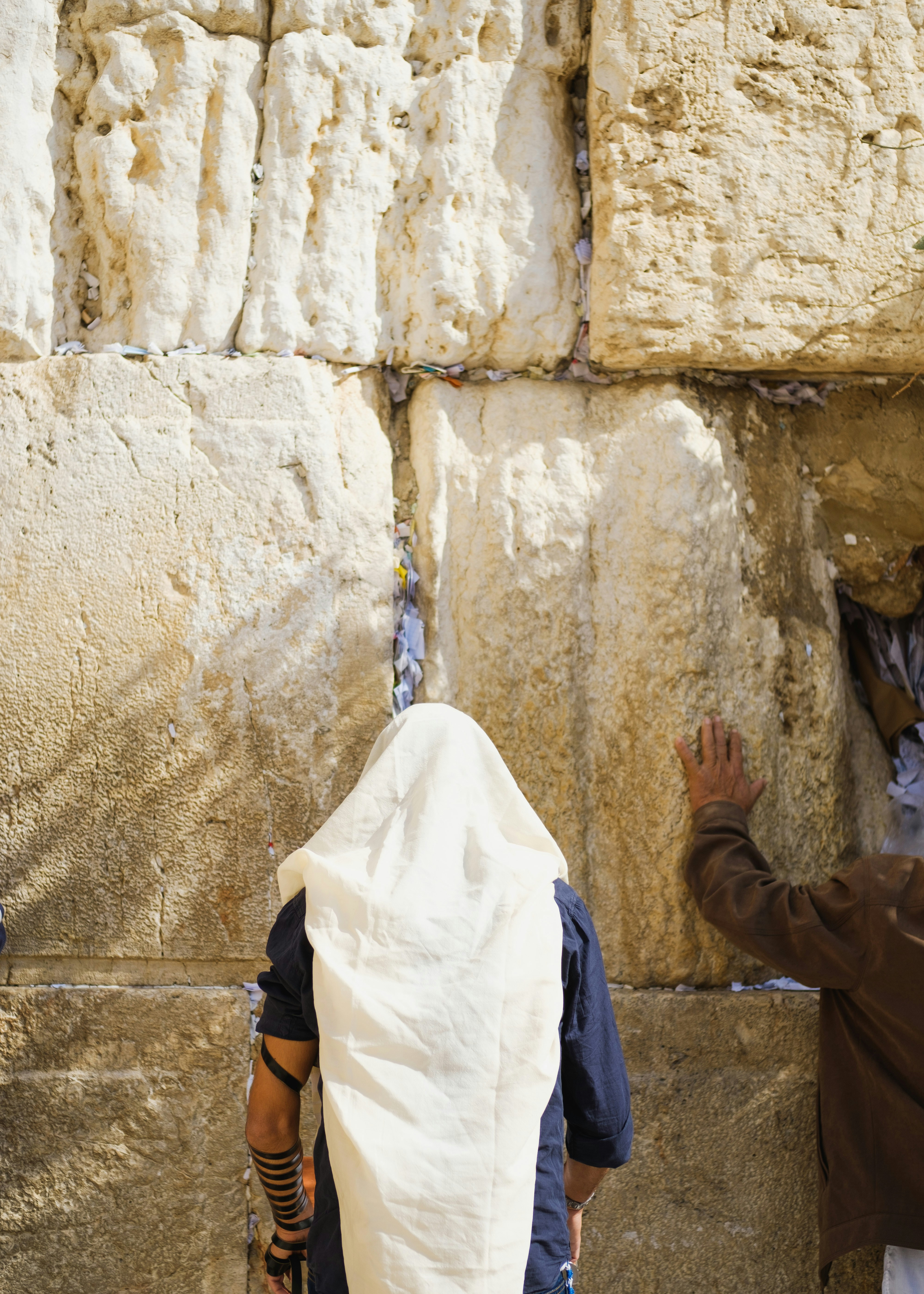
Understanding Dua: The Essence of Prayer in Islam
Dua, often translated as supplication, plays a crucial role in the spiritual life of a Muslim. It serves as a direct form of communication between the individual and Allah, emphasizing the personal relationship that each believer has with their Creator. Unlike the structured prayers such as the five daily Salah, dua is highly flexible and can be performed in any language and at any moment, reflecting the sincere intentions and heartfelt desires of an individual.
The significance of dua is deeply rooted in Islamic teachings. It is described as a weapon of the believer, empowering individuals to seek solace, guidance, and healing from Allah. The practice of making dua encompasses a wide range of requests, from basic needs to specific intentions, including prayer for health and well-being. Dua not only brings comfort to the one making the supplication but also embodies a profound spiritual awareness of one’s circumstances and an acknowledgment of Allah’s ultimate power over all matters.
There are various types of dua, each serving a specific purpose. Among them, dua for healing is especially important, as it reflects the believer’s faith in Allah’s mercy and ability to cure ailments. This form of dua is often accompanied by specific verses from the Quran or prophetic traditions, which adds to its potency and sincerity. Furthermore, dua can be made in times of distress, during illness, or as a preventive measure against potential hardships. In such instances, the act of praying itself becomes a source of relief, providing an emotional and spiritual anchor amidst life’s challenges.
Ultimately, the essence of dua in Islam lies in its ability to forge a personal connection with Allah, allowing believers to fully express their hopes, fears, and desires. By making dua, one not only seeks healing and guidance but also reinforces their faith and dependence on Allah’s boundless mercy.
The Importance of Spiritual Healing
Spiritual healing holds a significant place in Islamic teachings, reinforcing the idea that true wellness encompasses not only the physical body but also the mental and spiritual aspects of a person. In Islam, the practice of dua (supplication) is a profound expression of one’s faith and connection to Allah. Through sincere and heartfelt prayers, individuals seek divine intervention in their healing journey, recognizing that Allah is the ultimate source of both physical and spiritual health.
The act of engaging in dua fosters a sense of hope and resilience against life’s challenges, including illness. When Muslims turn to prayer, they reaffirm their belief in Allah’s mercy and compassion. This process not only facilitates a deeper connection with their faith but also enhances their emotional well-being. Research suggests that spiritual practices like dua can alleviate stress and anxiety, leading to improved mental health outcomes. Through prayer, individuals may find comfort in the remembrance of Allah, thereby cultivating inner peace during their healing process.
Islamic perspectives on healing advocate for a holistic approach that combines spiritual, physical, and psychological dimensions. The Quran and Hadith emphasize the importance of relying on Allah while also seeking medical intervention when necessary. Such an approach encourages believers to utilize both their faith and worldly means in overcoming physical ailments. Spiritual healing through dua serves as a reminder that individuals are not alone in their struggles; they can draw strength and positivity from their faith.
In conclusion, the importance of spiritual healing in Islam cannot be overstated. The belief that prayer can lead to mental and emotional well-being, in addition to physical health, empowers individuals to seek solace in their faith amidst adversity. This multifaceted approach to healing ultimately reinforces the significance of spiritual growth and resilience in the face of life’s challenges.
Specific Dua for Health and Healing
The pursuit of health and healing in Islamic tradition often involves the recitation of specific prayers or duas. One particular dua that is widely regarded for its powerful effects on health is known as the “Dua for Shifa”. This dua invokes God’s mercy and healing power, sincerely asking for recovery from illnesses and diseases.
The Arabic text of this dua is as follows:
اَللّهُمَّ رَبَّ النَّاسِ، أَذْهِبِ الْبَأْسَ، اشْفِ أَنتَ الشَّافِي، لَا شَافِيَ إِلَّا أَنتَ، شِفَاءً لَا يُغَادِرُ سَقَمًا
The transliteration of this dua is:
Allahumma Rabb an-Nas, adhhib al-ba’sa, ishfi anta as-Shafi, la shafi illa anta, shifa’an la yughadiru saqaman.
Translating this dua, it essentially means: “O Allah, Lord of mankind, remove the affliction and cure; You are the Healer. There is no healing but Yours, a healing that leaves no trace of illness.” This dua highlights the attributes of Allah as the ultimate healer, emphasizing the belief that physical ailments can only be relieved through divine intervention.
Reciting this dua with sincerity, faith, and conviction can provide comfort and hope during times of illness. Moreover, it reinforces the importance of seeking mental, emotional, and spiritual healing alongside physical recovery. Many believers incorporate this dua into their daily prayers, especially when dealing with personal or family health issues.
In addition to reciting the dua, it is recommended to adopt healthy lifestyle practices, seek medical advice, and maintain a positive mindset, as these elements work in tandem with spiritual goals towards achieving overall well-being.
How to Properly Perform Dua for Healing
Performing dua for healing is an essential practice that enhances the connection between the supplicant and the divine. To maximize the effectiveness of this powerful prayer, certain guidelines should be followed. First and foremost, timing plays a critical role in the efficacy of one’s dua. It is known that specific times are more auspicious for making dua, such as during the last third of the night, between the adhan and iqamah, or on Fridays. Choosing these moments can enhance the likelihood of your request being accepted.
Cleanliness is another fundamental component when performing dua. It is recommended to start by performing wudu (ablution) to ensure that you are in a state of purity. This act not only reflects physical cleanliness but symbolizes the intention to approach the divine with respect and sincerity. Additionally, facing the Qibla—the direction of the Kaaba in Mecca—further signifies honor and devotion in your supplication.
Equally important is the attitude with which you approach your dua. It is vital to have a sincere heart, full of belief and trust in Allah’s mercy and power to heal. This sincerity can be expressed through humility and fervor in your words, while also ensuring that the request is made with patience and acceptance of Allah’s will. While asking for healing, it is beneficial to mention the specific ailment, as this demonstrates clarity in your intention.
In addition to vocalizing your dua, reflecting on its meaning and implications can strengthen your spiritual resolve. Reading relevant scriptures or seeking solace in personal reflections can enhance your emotional connection during the prayer. To conclude, integrating these practices into your healing dua can create a deeper spiritual experience and improve the overall impact of your supplication.
The Role of Faith and Sincerity in Prayer
In the practice of making dua, faith and sincerity play pivotal roles that significantly influence the effectiveness of the prayer. Faith, defined as a strong belief in the unseen and trust in a higher power, serves as the foundation on which the act of dua is built. When individuals approach their prayers with unwavering faith, they often find themselves more hopeful and resilient in their healing journey.
Sincerity, on the other hand, involves a genuine intention behind the prayer. It is the inner conviction that one’s supplications are heard and acknowledged by the Divine. This aspect of sincerity is crucial, as it implies that the individual is not merely going through the motions of prayer but is wholeheartedly invested in their requests for healing. Such sincerity fosters a connection between the individual and their Creator, enhancing the likelihood of receiving blessings in response to their dua.
The combination of faith and sincerity can lead to transformative experiences during the healing process. A person who believes deeply in the power of their prayers is more likely to maintain a positive mindset, which can facilitate both emotional and physical healing. Moreover, this faith acts as a catalyst for personal accountability, motivating individuals to adopt healthier lifestyles and make choices that support their overall well-being.
Research has shown that individuals who integrate faith into their healing practices often report enhanced outcomes, both spiritually and physically. The mental and emotional support derived from their faith encourages perseverance in the face of adversity, helping individuals to overcome obstacles in their healing journeys. Thus, understanding and nurturing one’s faith and sincerity can lead to profound benefits in the practice of dua.
Complementing Dua with Medical Treatment
In the pursuit of healing, the integration of spiritual practices such as dua with conventional medical treatments is essential to ensure comprehensive well-being. Dua, a powerful prayer, serves as a spiritual reinforcement, enabling individuals to find solace and strength during their healing journey. However, it is crucial to recognize that relying solely on spiritual means without the intervention of medical experts can be insufficient, especially in critical health situations.
Modern medicine, rooted in scientific principles, offers various treatments that can effectively address health issues rooted in physical ailments. From diagnosis to treatment, healthcare professionals equip patients with the tools necessary to combat diseases and promote recovery. By combining the physical knowledge provided by healthcare professionals with the spiritual support from dua, individuals can achieve a more rounded approach to their health.
The holistic approach to health acknowledges that healing transcends mere physical treatment; it encompasses emotional and spiritual dimensions as well. Engaging in dua can foster a sense of hope and positivity, providing psychological benefits that complement the physical healing achieved through medical interventions. This synergy between dua and medical assistance illustrates that while faith can offer profound comfort, it does not substitute the necessary medical attention required in many cases.
It is important to consult healthcare professionals for timely diagnoses and appropriate treatments. Prayer may provide emotional support during difficult times, but it should not replace evidence-based medical advice. By promoting a balanced approach, individuals can take charge of their health both spiritually and physically, ensuring they are not only praying for healing but are also actively engaging in efforts to attain it.
Personal Experiences: Testimonials of Healing Through Dua
Many individuals have found solace and healing through the practice of dua, which is a form of supplication in Islamic tradition. These personal testimonies highlight the transformative power of prayer, offering hope to those who may be struggling with health challenges.
One individual, Amina, shares her experience of battling a chronic illness that had left her feeling trapped and despondent. After discovering the power of dua, she began incorporating specific prayers into her daily routine. Amina recounts how, after a few weeks of sincere supplication, she started noticing improvements in her health. Her fatigue lessened, and her overall mood elevated. She attributes this change not only to the prayers but also to the community support she received, emphasizing the dual importance of faith and communal bonds.
Another compelling story comes from Ahmed, who faced severe anxiety and stress during a challenging period in his life. Seeking peace and clarity, he turned to dua as a means of spiritual healing. Ahmed highlights a particular dua he recited consistently, stating that it brought him a sense of calm and perspective he had previously thought impossible. His journey illustrates how healing can extend beyond physical ailments to encompass emotional and psychological well-being.
These narratives serve as profound reminders of the efficacy of dua as a powerful tool for healing. Whether confronting physical illness or emotional distress, many believe that heartfelt prayers can lead to remarkable transformations. The stories shared not only offer encouragement to others in similar situations but also reinforce the idea that the act of supplication can foster hope and aid in recovery.
The Science of Prayer: Psychological Benefits of Dua
Prayer, particularly in recent times, has attracted the attention of researchers who seek to understand its impact on psychological well-being. Evidence indicates that engaging in prayer, such as the practice of dua, can significantly contribute to a reduction in stress levels. This stress reduction is essential as excessive stress is closely linked to a multitude of health issues, both mental and physical. For instance, studies have shown that individuals who incorporate prayer into their daily routines report lower levels of anxiety and depression.
The act of dua offers a moment of serenity in a fast-paced world, providing an opportunity for reflection and grounding. This reflective practice fosters emotional stability and encourages individuals to cultivate a sense of trust and hope, both of which are vital for mental health. Additionally, prayer can stimulate feelings of connectedness, not only to a higher power but also to a larger community, which is crucial for fostering social support.
The psychological benefits of prayer extend beyond mere stress relief; they include a boost in overall mental resilience. Engaging in the repetitive and rhythmic nature of dua invites a state of mindfulness that has been shown to improve one’s outlook on challenges. As individuals navigate adversities in life, the comfort derived from prayer can empower them, enhancing their coping mechanisms and leading to improved emotional regulation. This, in turn, promotes greater physical health as reduced emotional turmoil can lessen the burden on the body.
Furthermore, the healing aspect of dua can also manifest in improved self-esteem and a greater sense of purpose. As individuals express their hopes and desires through prayer, they often find clarity and direction in their lives. This intrinsic sense of purpose not only elevates mental well-being but also encourages healthier lifestyle choices, which collectively contribute to physical health.
Conclusion
In light of the numerous insights presented throughout this blog post, it becomes clear that the practice of dua plays a significant role in spiritual and physical healing. The power of dua transcends mere words; it embodies a deep connection between the individual and the Divine. As a potent prayer, it serves not only as a means of communication with Allah but also as a tool for encouraging a positive mindset that is crucial during times of illness.
As we discussed, the act of making dua can be comforting during challenging health crises. The emotional benefits derived from this practice include increased hope and reduced feelings of isolation, which can significantly enhance the healing process. Furthermore, the spiritual aspect of dua fosters a sense of trust in Allah’s wisdom and mercy, nurturing an inner peace that can be beneficial in overcoming both physical and emotional ailments.
It is essential for individuals to incorporate dua into their daily routines, as doing so can promote both spiritual well-being and resilience in the face of health challenges. This integration can be as simple as dedicating a few moments each day to express one’s concerns and hopes through prayer. The repetitions of dua can fortify the believer’s resolve, finding strength in their faith while seeking divine assistance.
Ultimately, the understanding that dua is more than just recitation is important. It is an intentional practice that can invoke healing energies and provide solace, making it an invaluable part of any spiritual journey. As we conclude this exploration of dua for healing, let us embrace this powerful prayer as a regular feature of our lives, recognizing its potential benefits for our overall health and well-being.
Leave a Reply