Introduction to Spiritual Cure Teams
Spiritual cure teams represent a revolutionary approach to healing that harnesses collective energy to promote wellness. Unlike traditional healing methodologies, which often focus on the individual and their physical ailments, spiritual cure teams emphasize the interconnectedness of individuals and the power of group energy. This innovative concept is rooted in the belief that collective consciousness can significantly enhance the healing process.
These teams typically consist of individuals who possess varying degrees of spiritual awareness and healing capabilities. The members come together to form a collective unit, dedicated to the upliftment and healing of those in need. Each participant contributes their unique energy and skills, creating a synergistic effect that is believed to magnify the healing potential. The philosophy behind spiritual cure teams is grounded in the understanding that energy flows freely between individuals, and when directed harmoniously, it can facilitate profound transformations.
At the core of the spiritual cure team’s practice lies the belief in holistic healing. Unlike conventional medicine, which often targets symptoms in isolation, spiritual cure teams aim to address the root causes of ailments by considering emotional, mental, and spiritual dimensions. This holistic perspective allows practitioners to treat the whole person, rather than merely the physical symptoms they exhibit. Meditation, energy healing, and intuitive guidance are common practices employed by these teams, often leading to comprehensive experiences that foster personal growth and healing.
Ultimately, the distinct nature of spiritual cure teams sets them apart from traditional healing modalities. They embrace the concept of community and collective healing, challenging the norms of individualistic approaches. Through their collective energy, spiritual cure teams offer a unique avenue for individuals seeking an alternative path to achieving balance and well-being.
The Role of Collective Energy in Healing
Collective energy plays a pivotal role in the healing process, acting as a powerful catalyst for both spiritual and emotional rejuvenation. When a group of individuals congregates with the shared intent of healing, their combined energies interact in profound ways, enhancing the effectiveness of healing practices. This phenomenon is rooted in the understanding that energy is inherently interconnected; each participant contributes unique vibrational frequencies that amplify the overall healing environment.
The essence of collective energy in healing can be likened to the principle of synergy, wherein the whole becomes greater than the sum of its parts. In such settings, participants often experience heightened emotional release and spiritual awakening, as the healing energy circulates freely among the group. This collective force can lead to more profound healing outcomes, as individuals tap into the strength derived from the group dynamic. It is not uncommon for participants in such healing circles to report enhanced feelings of support, understanding, and connectedness.
Furthermore, the significance of shared intention cannot be understated. When a collective gathers with a unified focus—be it to heal physical ailments, emotional pain, or spiritual disconnection—this shared purpose magnifies the potential for transformation. The synchronized energy released during group meditations, prayers, or healing circles creates an environment conducive to deep emotional breakthroughs and spiritual revelations.
Moreover, it is essential to recognize the psychological impact of participating in a collective healing process. Individuals often feel less isolated in their struggles, knowing that they are not alone in their journey. This sense of community fosters resilience and accelerates personal growth, reinforcing the idea that healing is not merely an individual endeavor but can be profoundly enhanced through collective energy.
Common Practices of Spiritual Cure Teams
Spiritual cure teams utilize a variety of practices aimed at harnessing collective energy for healing purposes. Among these practices, meditation plays a central role. Team members often gather in a quiet space to engage in group meditation, fostering a deep sense of connection among participants. This meditative state not only enhances individual vibrational frequencies but also amplifies the collective energy directed towards the healing of those in need.
Another widely used practice within spiritual cure teams is energy healing. This practice involves channeling universal life force energy to remove blockages, balance energy fields, and promote overall wellness. Techniques such as Reiki and Pranic Healing are common, where practitioners intentionally direct healing energy towards recipients. The shared intention and focus among team members during these sessions create a powerful energetic environment conducive to healing.
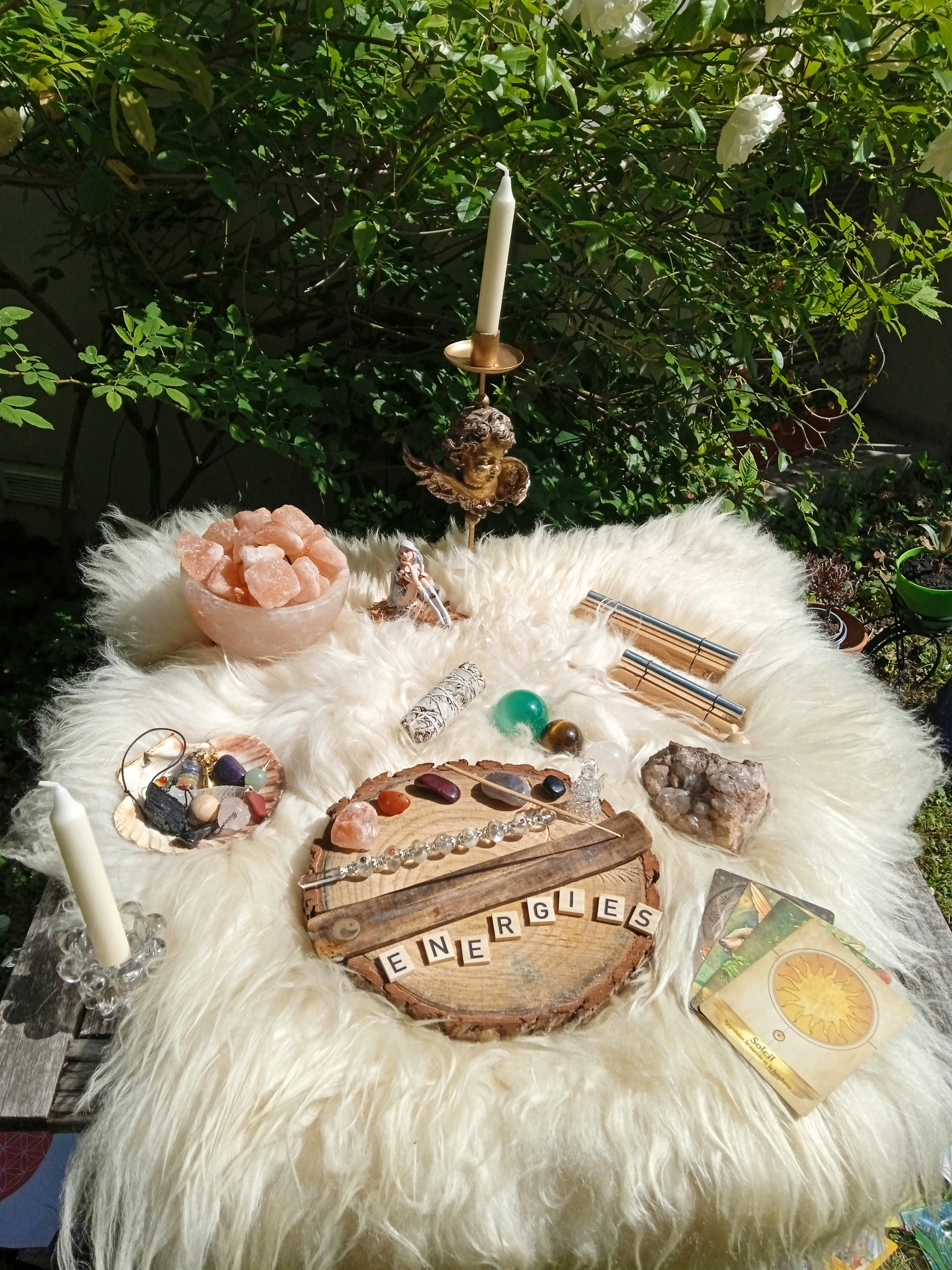
Prayer is also integral to the work of spiritual cure teams. Many teams incorporate collective prayer, inviting participants to align their intentions and energies toward the well-being of individuals seeking healing. This act not only establishes a shared intention but also strengthens the emotional and spiritual support provided to recipients. Rituals further enhance this connection, as teams often perform specific ceremonies that invoke spiritual guidance and protection. These rituals may include the lighting of candles, the use of sacred symbols, and the incorporation of affirmations, all of which serve to elevate the healing atmosphere.
Ultimately, the synergy of these practices not only enhances the team’s ability to facilitate healing but also fosters a profound bond among team members. As they engage in meditation, energy healing, prayer, and rituals together, they form a united front that underscores the significance of community in the pursuit of spiritual healing.
Challenges Faced by Spiritual Cure Teams
The concept of spiritual healing is both intriguing and elusive. As a result, spiritual cure teams often encounter several challenges that can hinder their work. One significant hurdle is the skepticism surrounding the effectiveness of spiritual healing practices. Many individuals are resistant to the idea that a collective of individuals can harness energy to bring about healing. This skepticism may stem from a lack of understanding of the principles underlying spiritual healing, as well as a reliance on more conventional medical practices.
Furthermore, misconceptions about what spiritual cure teams do can lead to distrust. Some people may equate spiritual healing with pseudoscience, viewing it as lacking empirical evidence. This viewpoint creates barriers for spiritual cure teams as they strive to demonstrate their methodologies and the profound impacts of their work. As a consequence, teams may find it challenging to attract clients or participants. This skepticism is compounded by the absence of standardized practices within spiritual healing, which can contribute to varying experiences and outcomes.
Another challenge faced by spiritual cure teams is the difficulty in measuring the effectiveness of their interventions. Unlike traditional medical treatments, which often have clear metrics for success, spiritual healing relies heavily on subjective experiences. This creates an environment where it is hard to establish a quantitative assessment of healing outcomes, thereby leading to further skepticism from the broader community.
Lastly, promoting open dialogue about these challenges is vital for spiritual cure teams to thrive. Creating awareness and understanding of the spiritual healing process can foster acceptance, thereby encouraging individuals to explore these alternative healing methods. A collaborative approach that engages skeptics with informative dialogue can bridge gaps, enhance understanding, and ultimately promote the positive impacts of spiritual cure teams.
Profiles of Notable Spiritual Cure Teams
The concept of spiritual cure teams has gained traction across various cultures, with numerous groups offering healing modalities guided by collective energy. One prominent example is the Team of Light, based in Sedona, Arizona. This group encompasses practitioners from various backgrounds, including energy healers, meditation experts, and spiritual counselors. Their philosophy revolves around the belief that collective intention can amplify healing energies, thereby facilitating profound transformations in individuals’ lives. Through workshops and remote healing sessions, they have successfully aided countless individuals in overcoming emotional and physical challenges, reinforcing the notion that interconnectedness enhances healing possibilities.
Another notable spiritual cure team is the Global Healing Meditation Group, which operates through virtual platforms connecting members worldwide. Their core philosophy focuses on group meditative practices that aim to raise the collective vibrational frequency. By synchronizing their intentions, the members believe they can create a ripple effect of healing energy that not only benefits participants but also extends to global issues such as environmental degradation and social unrest. Their contributions have profoundly impacted various communities, evidenced by testimonials from individuals who have experienced tangible results in their emotional and physical well-being after participating in these meditative events.
In Europe, the Holistic Healing Collective offers a more localized approach, functioning out of various wellness centers across the continent. Their team comprises diverse practitioners, including herbalists, chakra healers, and sound therapists. They promote the integration of ancient and modern healing methods, thus catering to a broad audience. Through their community outreach programs, they have educated many on the benefits of spiritual healing and holistic practices, fostering a supportive community that embraces personal and communal growth.
Case Studies: Transformative Healing Experiences
In the realm of spiritual healing, many individuals have reported profound transformations through the interventions of spiritual cure teams. These collective units harness the power of shared intention and energy, often leading to remarkable outcomes for those seeking relief from emotional, physical, or spiritual ailments.
One particularly compelling case involves a woman named Sarah, who had struggled with chronic pain for over a decade. After exhausting traditional medical treatments without significant relief, she sought help from a spiritual cure team. Through guided meditation sessions and energy healing practices, Sarah experienced a dramatic shift in her physical state. Not only did her pain lessen, but she also reported increased emotional clarity and a renewed sense of purpose. This illustrates how collective energy can be a catalyst for healing, as Sarah felt supported by the team’s unwavering belief in her recovery.
Another poignant example is that of John, a once-skeptical individual facing severe anxiety. Referred by a friend, he reluctantly joined a group healing session facilitated by a spiritual cure team. The environment fostered a sense of community and safety, enabling John to confront deep-seated fears he had long buried. As he actively participated in the process, the team’s harmonious energy enveloped him, allowing for a transformative release. Following several sessions, John reported significant improvements in his mental health, leading him to reevaluate his perceptions of spirituality and healing.
These case studies reflect the potential of spiritual cure teams to instigate healing journeys that may initially seem unattainable. The stories of Sarah and John embody the essence of healing through collective energy, inviting us to understand the profound effects that a dedicated group can have on individual well-being. As more people share their experiences, the narrative surrounding spiritual cures continues to evolve, encouraging a broader acceptance of alternative healing modalities.
How to Find a Spiritual Cure Team
Finding a spiritual cure team that aligns with your beliefs and healing needs is a crucial step towards achieving holistic well-being. The journey begins with self-reflection. Understanding your specific needs, healing goals, and spiritual beliefs will help you to identify the type of support you require. Consider the philosophy and methodologies of potential teams to ensure they resonate with your personal journey.
When seeking a spiritual cure team, consider the following criteria:
- Qualifications: Research the backgrounds and training of the practitioners involved. Ensure they possess relevant certifications or qualifications in their respective fields.
- Experience: Inquire about their previous experiences and expertise in managing conditions similar to yours. A team with a proven track record can increase the likelihood of a positive healing journey.
- Approaches: Different teams may utilize various healing modalities, such as energy healing, meditation, or sound therapy. Ensure their methods align with your preferences.
- Environment: The physical space where healing occurs should be inviting and conducive to relaxation and concentration. A supportive atmosphere can significantly enhance your experience.
It is also important to prepare questions before engaging potential teams. Examples might include:
- What is your approach to spiritual healing?
- How do you ensure a client-centered practice?
- What safety measures are in place to address any emotional triggers?
Additionally, trust your intuition. Pay attention to how you feel about the team and their approach. Pursue a team that fosters a safe space for openness and healing, as a strong connection can greatly enhance your experience. As you navigate the process of finding your spiritual cure team, remain patient and open-minded, allowing the right connection to unfold organically.
Integrating Spiritual Healing in Daily Life
Incorporating spiritual healing methods into one’s daily routine offers an enriching path to personal growth and well-being. Individuals can enrich their lives by harnessing the power of collective energy, even if they are not formally part of a spiritual cure team. Various techniques are available to facilitate this process, allowing one to find balance and peace amidst daily challenges.
One highly effective method is self-meditation. This practice encourages individuals to set aside a few moments each day for introspection. Finding a quiet space, focusing on one’s breath, and allowing thoughts to flow freely can help ground the individual and promote a sense of inner tranquility. Such meditative practices have been shown to reduce stress levels and bolster emotional resilience, making them a worthwhile addition to any daily routine.
Mindfulness is another essential technique that integrates spiritual healing into everyday life. This practice involves being fully present in the moment and engaging with one’s surroundings without judgment. By practicing mindfulness during routine activities—such as eating, walking, or even conversing—individuals cultivate a deeper connection with themselves and their environment. This heightened awareness enhances emotional well-being and opens up opportunities for spiritual growth.
Energy work, including practices such as Reiki or chakra alignment, allows individuals to engage with their personal energy fields actively. Learning simple techniques to balance and enhance one’s own energy can lead to improved well-being. Resources such as guided online sessions or local workshops can facilitate the exploration of these energy practices, making them accessible even for beginners.
Incorporating these spiritual healing techniques into daily life does not require formal affiliation with a spiritual cure team. With dedication and practice, anyone can harness the benefits of spiritual healing to promote overall well-being and a more profound sense of connection to themselves and the world around them.
Conclusion: The Future of Spiritual Healing
As we navigate through an ever-evolving landscape of health and wellness, the importance of spiritual cure teams becomes increasingly recognized. These collectives offer a unique approach to healing that focuses on the integration of collective energy, fostering both emotional and physical well-being. The growing acceptance of alternative healing methods signals a shift in societal attitudes towards traditional practices. More individuals are seeking holistic solutions that address not only their physical ailments but also their spiritual and emotional needs.
The future of spiritual healing appears promising. With advancements in technology and increased access to information, more people can discover the benefits of spiritual cure teams. These teams often employ a variety of methods, including meditation, energy work, and community support, which are proving effective in promoting healing and personal growth. As societal acceptance continues to expand, there is potential for spiritual healing practices to become more mainstream, integrating seamlessly with conventional medical approaches.
Moreover, as awareness grows, more research is likely to be conducted in this field, helping to substantiate the effectiveness of spiritual healing methods. This research will not only bridge the gap between traditional and alternative practices but also encourage an inclusive approach to healing, recognizing the importance of the mind-body-spirit connection.
In conclusion, embracing the concept of spiritual cure teams can enrich our understanding of health and foster communities centered around healing and support. As we explore these possibilities, it is essential to remain open-minded and curious, allowing ourselves to tap into the myriad of benefits that collective energy and spiritual practices can offer. The future of spiritual healing holds great promise, paving the way for a more holistic approach to wellness.
Leave a Reply