
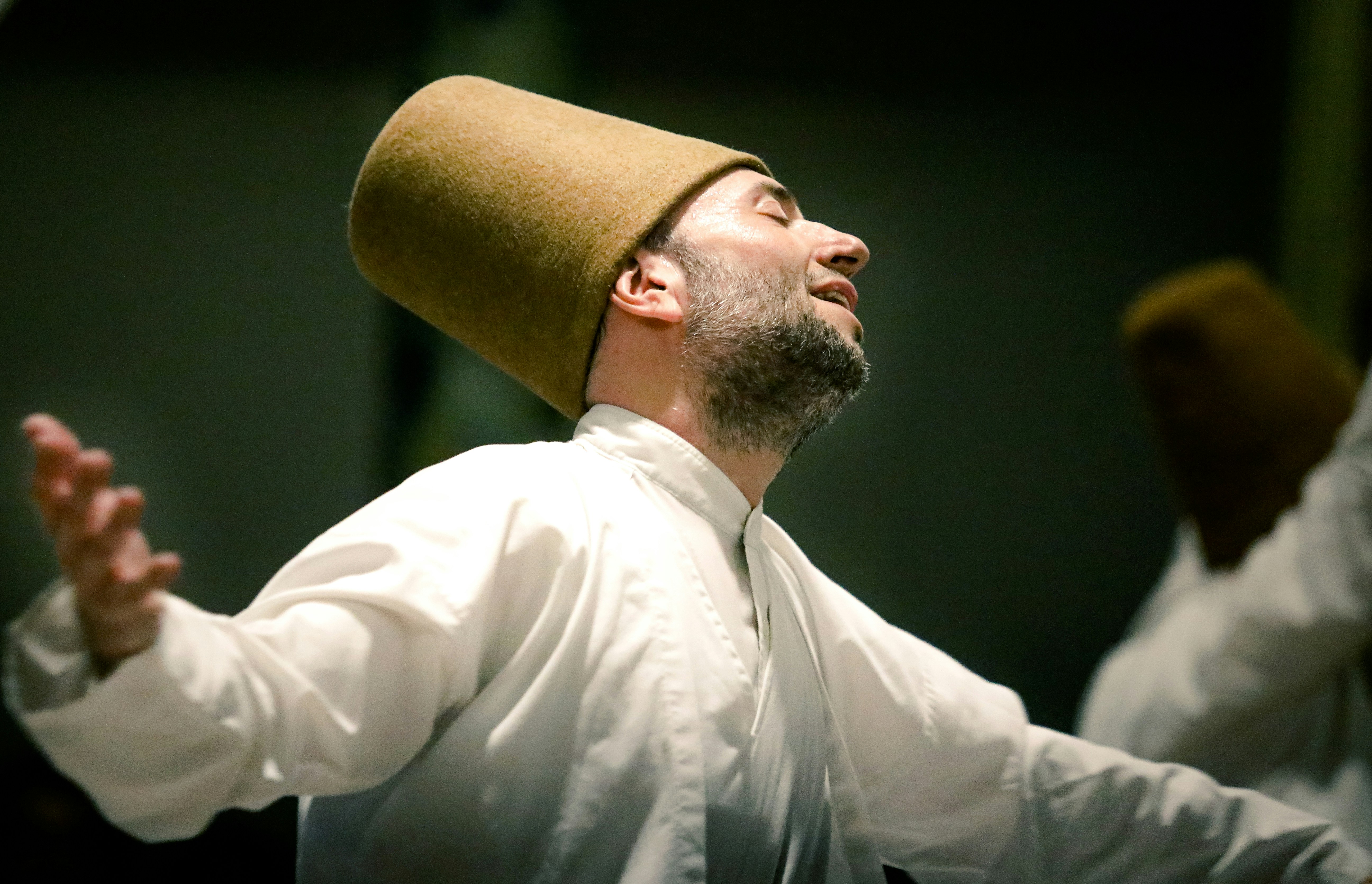
Understanding Spiritual Healing
Spiritual healing is a holistic practice that focuses on addressing emotional and spiritual well-being, promoting a sense of balance and harmony within the individual. At its core, spiritual healing seeks to recognize and heal the underlying emotional traumas that manifest as physical ailments or psychological distress. This practice encompasses various forms and methodologies, including energy healing, Reiki, and shamanism, each with unique approaches and philosophies.
Energy healing, for instance, operates on the principle that the human body is permeated with energy, and disruptions in this energy flow can lead to illness. Practitioners of energy healing use various techniques to restore a balanced energy flow, thereby facilitating the body’s natural healing processes. Reiki, a prominent form of energy healing developed in Japan, allows practitioners to channel healing energy into the recipient through gentle touch or even distantly, promoting relaxation and stress reduction.
Shamanism, on the other hand, is an ancient practice rooted in indigenous cultures around the world. It involves a shaman, who acts as a mediator between the physical and spiritual worlds, facilitating healing through rituals, ceremonies, and guidance from Spirit. This form of spiritual healing incorporates a broader perspective, recognizing that healing involves addressing the physical, emotional, and spiritual dimensions of a person’s existence.
In understanding spiritual healing, it becomes evident that its importance lies in its holistic nature. By addressing not only the symptoms of illness but also the deeper emotional and spiritual issues, spiritual healing can offer profound insights and transformative experiences. It empowers individuals to take an active role in their healing journey, fostering a deeper connection to themselves and the world around them. The integration of various healing modalities reflects the diverse paths individuals may take toward achieving emotional and spiritual well-being.
The Qualities of a Spiritual Healer
A successful spiritual healer embodies a unique blend of qualities and traits that not only define their practice but also facilitate trust and connection with clients. At the core of these attributes are compassion and empathy, which are essential for understanding the emotional and spiritual struggles of those seeking help. Compassion allows spiritual healers to approach clients with an open heart, creating a safe space for healing. Empathy, on the other hand, enables healers to resonate with their clients’ experiences, fostering a deeper sense of connection.
Intuition is another pivotal quality for spiritual healers. It serves as a guiding force, allowing healers to sense the underlying issues that may not be immediately apparent. This intuitive awareness helps in tailoring healing approaches that are most beneficial for each unique situation. Moreover, an effective spiritual healer possesses a strong sense of ethics, which is crucial in maintaining professional integrity. Adhering to ethical standards ensures that clients are treated with respect, confidentiality, and care, further solidifying trust in the healer-client relationship.
Additionally, strong communication skills are integral to spiritual healing. Healers must articulate spiritual insights and healing processes in a way that is easily understood by clients. This fosters clarity and encourages an open dialogue, allowing clients to voice their concerns and feelings without hesitation. Together, these qualities create a robust foundation for successful healing practices, empowering spiritual healers to facilitate transformative journeys for their clients.
Education and Training Paths
For those aspiring to become spiritual healers, various educational options can facilitate their journey. These pathways include workshops, certification programs, and self-study resources tailored to different aspects of spiritual healing. It is crucial to recognize that education in this field is not only about acquiring knowledge but also about personal growth and transformation.
Workshops, often led by experienced practitioners, offer immersive experiences enabling participants to gain hands-on techniques. Such workshops may focus on various methods such as energy healing, meditation, or intuitive practices. Many find that these collaborative environments foster a sense of community and support, paving the way for deeper insights and shared experiences.
Certification programs are another vital aspect of the education landscape for aspiring spiritual healers. These programs may vary in length and focus, covering foundations in various modalities, such as Reiki, sound healing, or holistic health. Completing a certification is often viewed as an endorsement of a healer’s skills, providing clients with added confidence in their abilities. Furthermore, these programs typically emphasize ethical practices and client care, which are crucial in maintaining professionalism in the field.
Self-study resources, such as books, online courses, or videos, play a significant role in a healer’s journey. Many individuals find that augmenting their formal education with self-guided materials allows them to explore their interests at their own pace. This blend of structured learning and personal exploration helps cultivate a well-rounded approach to spiritual healing.
Moreover, the importance of continual learning and mentorship cannot be overstated. Many seasoned spiritual healers advocate for ongoing education and mentorship, as the field is ever-evolving. Engaging with mentors provides invaluable insights, guidance, and support, facilitating a more profound understanding of spiritual practices.
Developing Your Intuition
Intuition plays a pivotal role in spiritual healing, serving as a guiding force for practitioners aiming to connect deeply with themselves and others. It allows for an understanding of underlying energies and emotions that are not immediately visible. By honing intuitive abilities, individuals can foster more profound healing experiences, both for themselves and their clients.
One effective technique to enhance intuition is through meditation. Regular meditation cultivates a calm mind, creating a fertile ground for intuitive insights to flourish. Practitioners can start with guided meditations centered around self-awareness or energy visualization, gradually transitioning to silent meditation where they can focus on breath and bodily sensations. This practice not only sharpens one’s ability to listen to inner guidance but also enhances a sense of peace and clarity.
Another valuable method for developing intuition is journaling. Keeping a daily journal allows individuals to document their thoughts, feelings, and experiences, which can unveil patterns and deepen self-awareness. Engaging in free writing can encourage spontaneous revelations stemming from one’s subconscious. This practice helps to establish a dialogue with the intuitive self, facilitating a clearer understanding of messages and insights as they arise.
Mindfulness exercises also contribute significantly to intuitive development. By incorporating mindfulness into daily activities—such as mindful walking, eating, or even breathing—individuals can cultivate a heightened awareness of the present moment. This awareness fosters sensitivity to subtle shifts in energy, making it easier to discern intuitive nudges. Setting aside a few minutes each day for mindfulness not only enhances intuitive abilities but also nurtures emotional balance and well-being.
By integrating meditation, journaling, and mindfulness into one’s routine, the journey towards developing intuition becomes both profound and transformative. Embracing these practices paves the way for increased insight and guidance on the path of spiritual healing.
Choosing Your Specialization
In the realm of spiritual healing, selecting a specialization can greatly enhance your personal growth and facilitate the healing journey for others. Several distinct areas offer unique methodologies and philosophies. Among these, crystal healing stands out, focusing on the energies emitted by various crystals to promote emotional and physical well-being. Practitioners often use specific crystals corresponding to the individual’s needs, making it essential to explore which stones resonate with you personally.
Another popular area within spiritual healing is chakra balancing. This practice centers on the seven energy centers within the body, known as chakras. Each chakra is believed to govern different aspects of our physical, emotional, and spiritual health. By learning to identify and align these energy centers, you can help others achieve a harmonious state of being. It involves techniques such as meditation, visualization, and energy transfer, which can be immensely rewarding as you witness transformations in those you assist.
Holistic nutrition also plays a significant role in spiritual healing, integrating the physical body with the spiritual self. This specialization emphasizes nourishing the body through a balanced diet, considering the energetic properties of foods. Understanding how certain foods impact physical health and spiritual clarity can benefit both practitioners and clients alike. It encourages the development of a mindful approach to eating, promoting overall well-being.
To select the specialization that aligns with your passion, reflect on your interests and experiences. Consider what aspects of spiritual healing resonate most deeply with you. Engaging in workshops, reading relevant literature, or participating in community events can provide further insight. Remember, the journey to becoming a spiritual healer is highly individualistic, and the best path is one that aligns with your unique gifts and interests.
Building Your Healing Practice
Establishing a professional spiritual healing practice requires careful thought and planning. One of the first steps is to set up a dedicated healing space that resonates with tranquility and positivity. This space should not only be comfortable but also reflect your unique healing philosophy. Consider incorporating elements such as soft lighting, calming colors, and meaningful symbols or artifacts that promote a serene atmosphere conducive to healing.
Following the creation of your physical space, it’s essential to develop a comprehensive business plan that encompasses your goals, target audience, and financial projections. This plan should also outline the types of services you intend to offer, whether they be one-on-one healing sessions, workshops, or online courses. By clearly defining your offerings, you will be better equipped to reach potential clients and provide them with valuable and tailored services.
Marketing your practice effectively is crucial for attracting clients. Utilize both online and offline strategies to spread awareness of your services. Social media platforms, a professional website, and local community events can all serve as vital tools for connecting with individuals seeking spiritual healing. Additionally, consider offering free introductory sessions or workshops to showcase your abilities and build trust within the community.
Moreover, adhering to ethical considerations within your practice is of paramount importance. Establishing clear professional boundaries will not only protect you but also your clients. Maintaining confidentiality and respecting the spiritual journey of each individual fosters a safe and trustworthy environment, crucial for any successful healing practice. Prioritizing ethics ensures that your practice is not only sustainable but also resonates deeply with the core values of spiritual healing, ultimately benefiting both you and those you serve.
Connecting with Clients
Building a strong rapport with clients is essential for anyone aiming to become an effective spiritual healer. This relationship creates a safe environment where individuals can express their thoughts and feelings without judgment. One of the foundational techniques for establishing this connection is through active listening. This practice involves fully concentrating on what the client is saying, providing verbal and non-verbal feedback, and reflecting on their feelings and thoughts. By engaging with clients in this manner, healers demonstrate that they value their experiences, which in turn fosters trust and openness.
Moreover, empathy plays a critical role in the healing process. It allows the healer to relate to the client’s experiences on a deeper level. When a healer can genuinely empathize with a client, it not only validates the client’s feelings but also encourages them to explore their emotions more freely. For a spiritual healer, showing understanding and compassion can sometimes be more impactful than any technique or method employed in the healing journey.
Furthermore, creating a comfortable and inviting atmosphere can significantly enhance the connection between the healer and client. This can be achieved by arranging the physical space to feel warm and calming, with soft lighting, comfortable seating, and pleasant aromas. By cultivating a peaceful environment, clients are more likely to feel relaxed and open to the healing process.
In practice, tailoring communication styles and approaches to fit individual clients’ needs also strengthens the bond. Each person is unique, and as such, they may respond differently to various phrases, tones, or even silence. Maintaining flexibility and being observant during sessions can help a spiritual healer adjust their approach accordingly.
The Role of Self-Care for Healers
Spiritual healers play a vital role in supporting individuals through emotional, physical, and spiritual challenges. However, engaging in healing work can be emotionally demanding and draining, making self-care an essential component of their practice. Self-care allows healers to recharge and maintain their well-being, ensuring they can offer their best selves to their clients.
One of the foundational practices for self-care among spiritual healers is meditation. Regular meditation sessions can enhance a healer’s mindfulness and maintain their emotional balance. This practice not only helps to clear the mind but also increases awareness of one’s own emotional state, enabling the healer to recognize when they need to pause and focus on self-rejuvenation. By dedicating time to meditation, healers cultivate a deeper connection to their inner selves, which ultimately enriches their healing capabilities.
Energy cleansing is another critical practice for spiritual healers. Just as healers work to clear negative energy from their clients, it is equally important for them to engage in rituals that cleanse their own energy fields. Techniques such as smudging with sage, utilizing crystals, or taking salt baths can provide restorative benefits, helping healers release stagnant energy and allow for fresh, positive energy flow. Maintaining a clear energy field is crucial for a healer’s effectiveness.
Continued education also plays a significant role in the self-care journey of spiritual healers. Pursuing workshops, attending seminars, and reading scholarly materials not only enhances a healer’s knowledge and skills but also renews their passion for their work. Lifelong learning fosters personal growth, deepening the healer’s understanding of various modalities and spiritual practices, which in turn, enhances their healing practice.
In conclusion, self-care for spiritual healers is not an optional luxury, but a necessary aspect of their practice. By committing to personal growth, engaging in meditation and energy cleansing, and seeking ongoing education, healers can sustain their well-being while effectively supporting others in their healing journeys.
Navigating Challenges and Growth
Becoming a spiritual healer is often accompanied by various challenges that may impede progress and threaten the well-being of the individual. Among these difficulties, skepticism from peers and clients can be particularly disheartening. This skepticism often arises from a lack of understanding or belief in holistic practices, leading to a feeling of isolation for many spiritual healers. To counteract this, building a solid foundation of knowledge and skills is crucial. Engaging in continuous education and participating in professional networks can enhance credibility and foster a supportive community, enabling healers to navigate skepticism with confidence.
Another significant challenge faced by spiritual healers is burnout. The emotional demands of healing others can lead to fatigue, making it imperative for practitioners to prioritize self-care. Establishing a balanced routine that incorporates relaxation techniques, mindful practices, and personal reflection can help manage stress levels. Setting boundaries with clients and dedicating time for personal healing and rejuvenation is essential to sustain energy and enthusiasm for the healing journey.
Emotional fatigue is closely related to burnout and can take a toll on a healer’s effectiveness. Engaging in regular supervision or consultation with colleagues can provide emotional support and a fresh perspective on healing practices. Developing strategies to compartmentalize personal emotions from those of clients can also be beneficial. Techniques such as journaling or creative expression serve as powerful outlets for processing experiences and emotions while reducing the burden of heavy energies absorbed during sessions.
Embracing these challenges can ultimately lead to profound personal and professional growth. By facing skepticism, establishing effective self-care routines, and processing emotional fatigue, spiritual healers can develop resilience. This resilience not only enhances their practice but also enriches their own spiritual journey, allowing them to emerge more empowered and capable of providing meaningful healing to others.
Leave a Reply