
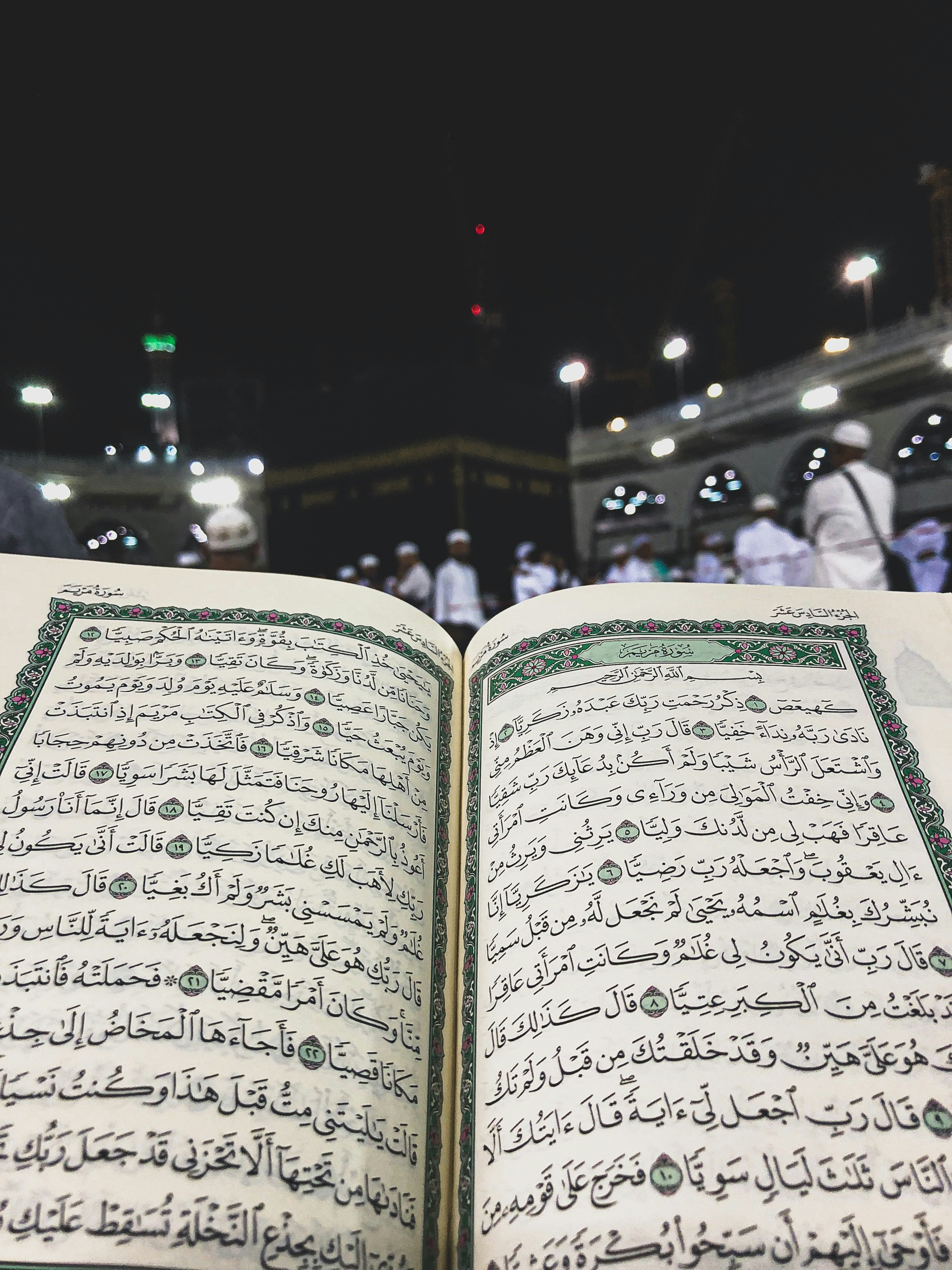
Understanding Ruqyah
Ruqyah, derived from the Arabic word meaning “to recite,” refers to the practice in Islamic tradition where specific verses of the Quran, as well as prophetic supplications, are recited for healing and protection. This practice holds significant importance within Islamic culture, particularly in addressing spiritual issues such as black magic, the evil eye, and demonic possession. The belief is that the power of the Quran can invoke divine assistance to restore health and ward off negative influences.
Traditionally, there are two main types of Ruqyah: Ruqyah Shariah, which is based on Quranic verses and authentic Hadiths, and Ruqyah Ghair Shariah, which includes invocations that lack Islamic foundation or are derived from other cultures and practices. Ruqyah Shariah is deemed the most effective and permissible form in Islam and includes a variety of Quranic verses, such as Surah Al-Fatiha, Surah Al-Baqarah, and Surah Al-Ikhlas, among others. These verses are recited with the intention of healing, protection, or seeking relief from various afflictions.
The conduct of Ruqyah often involves a practitioner, known as a Ruqyah reciter, who may administer this healing either through direct recitation over an individual, the use of water infused with Quranic verses, or through written talismans. The setting for Ruqyah is generally calm and respectful to facilitate a focused spiritual environment. In performing Ruqyah, sincerity of intention is paramount, as it invokes God’s mercy and healing powers, allowing believers to seek refuge fromAny dangerous spiritual elements.
The Concept of Black Magic
Black magic, often defined as the use of supernatural powers for nefarious purposes, has been a subject of intrigue and fear in various cultures throughout history. It is typically considered to harness malevolent forces to inflict harm, manipulate events, or control individuals against their will. This practice contrasts with white magic, which is often seen as benevolent, aimed at healing and protection. However, the line between these two forms of magic can be blurred, leading to diverse interpretations and beliefs.
The cultural perception of black magic varies significantly across societies. In some cultures, black magic is an accepted explanation for misfortunes or ailments, such as illness, failures in life, or emotional distress. Individuals attributing their troubles to black magic often believe that it is inflicted intentionally by someone wishing them harm or envy. In other cultures, black magic is viewed as a superstition, a relic of past beliefs that should be dismissed in favor of rational explanations.
Beliefs surrounding black magic can create a significant psychological impact on individuals. Those who believe they are afflicted may experience heightened anxiety, fear, and a sense of powerlessness. Some may engage in various remedies or protections from spells, such as rituals, prayers, or seeking help from professionals who claim to counteract these malevolent forces. The belief in black magic can shape social dynamics, leading to accusations and ostracization of perceived practitioners. This phenomenon underscores how deeply embedded the notion of black magic is within the fabric of societal beliefs.
Signs and Symptoms of Black Magic
Black magic, a form of sorcery believed to harness supernatural powers for malevolent purposes, can manifest through various psychological and physical signs. Individuals who are affected may display a range of symptoms that are often distressing and perplexing. Understanding these signs is crucial for recognizing the potential impact of black magic on an individual.
On a psychological level, the presence of black magic may be indicated by sudden and unexplainable changes in mood or behavior. Victims often report feelings of overwhelming anxiety, despair, or anger without any apparent reason. There may also be onset of depression, irritability, or a constant sense of unease, which does not correlate with situational factors. Additionally, an individual may experience intrusive thoughts or an inability to concentrate, leading to decreased performance in daily tasks.
Physical symptoms can also suggest the influence of black magic. Common manifestations include unexplainable fatigue, insomnia, headaches, or digestive issues. Some may suffer from chronic pain that is not responsive to conventional medical treatments. Furthermore, individuals might notice sudden changes in their appetite or weight, sleep patterns, and overall vitality. Another physical sign could be the presence of unusual marks or blemishes on the body that cannot be attributed to any medical condition.
Moreover, relationships with family and friends often deteriorate without clear cause, with individuals feeling isolated or alienated. Feelings of being watched or negative energy in one’s environment may also contribute to the sense that something is indeed amiss. Recognizing these signs is essential for those who believe they may be affected by black magic, as early intervention can provide an opportunity for seeking help and potential relief.
Islamic Perspective on Dealing with Black Magic
Islamic teachings provide a profound understanding of various supernatural elements, including the existence and influence of black magic. The Quran and Hadith emphasize that black magic can indeed harm individuals, yet they equally stress the unwavering protection and support that Allah offers to those who seek refuge in His presence. In Islam, seeking protection from Allah is prioritized as a fundamental practice for anyone who suspects they may be affected by black magic.
Ruqyah, which is the practice of reciting specific verses from the Quran and supplications, plays a significant role in countering the negative effects of black magic. The act of engaging in Ruqyah is described as a powerful means of seeking healing and purification from harmful influences. It is highly recommended for Muslims to memorize and recite relevant verses, such as Surah Al-Fatiha and Surah Al-Baqarah, for their protective qualities. By regularly practicing these recitations, individuals can establish a spiritual fortitude against possible attacks from malevolent forces.
Moreover, faith and belief in the Oneness of Allah are emphasized as crucial in confronting the challenges posed by black magic. The Islamic approach encourages individuals to maintain a strong connection with Allah through prayer, remembrance (Dhikr), and adherence to religious obligations. This spiritual discipline allows believers to bolster their faith against the potential afflictions caused by black magic.
In conclusion, the Islamic perspective on addressing black magic combines spiritual practices with a firm belief in Allah’s protection. Through the use of Ruqyah and persistent devotion, individuals can seek refuge from black magic’s detrimental effects, reinforcing the idea that faith and reliance on Allah are paramount in overcoming these challenges.
Effectiveness of Ruqyah Against Black Magic
The practice of Ruqyah, which involves the recitation of specific verses from the Qur’an and supplications for healing and protection, holds a significant place in Islamic tradition. Many believe that Ruqyah serves as a powerful tool to combat black magic, jinn possession, and other malevolent entities. Supporters argue that the spiritual nature of Ruqyah taps into divine will, enabling individuals to seek refuge and intervention from supernatural influences that may cause harm.
Scholars have long debated the effectiveness of Ruqyah in countering black magic. They emphasize that the recitation must be conducted with pure intent, faith, and adherence to Islamic teachings. According to proponents, a crucial aspect of Ruqyah is its reliance on the power of Allah’s words, which are believed to carry inherent strength and protection. It is reported that numerous individuals have experienced relief from the symptoms of black magic after undergoing Ruqyah sessions, citing improvements in their mental, emotional, and physical well-being.
There exists a spectrum of opinions regarding the use of Ruqyah, particularly among practitioners. Some practitioners assert that performing Ruqyah can be effective when combined with other esoteric practices, such as purification rituals and sincere prayers. Others recommend that Ruqyah should be utilized as a standalone treatment, expressing a conviction in its sufficiency to remove the ailments caused by black magic. This perspective is echoed by many who have sought spiritual recovery through these methods.
Nevertheless, it is important to approach the effectiveness of Ruqyah critically and acknowledge that personal experiences may vary. While testimonials and anecdotal evidence abound, scholarly perspectives continue to evolve as Muslim communities navigate the complexities of spirituality and healing.
Case Studies: Ruqyah and Black Magic Removal
Throughout history, numerous individuals have sought the aid of Ruqyah as a remedy for the debilitating effects of black magic. These case studies illustrate a spectrum of experiences and outcomes, demonstrating the potency and transformative power of this spiritual practice.
One notable case is that of a woman named Fatimah, who had been suffering from unexplained illnesses and continuous misfortunes for several months. After visiting a practitioner of Ruqyah, she discovered that she was a victim of black magic cast by someone close to her. Following a series of Ruqyah sessions, which involved listening to specific verses from the Quran and engaging in prayer, Fatimah reported a significant decline in her symptoms and an overall improvement in her mental well-being. She attributed her recovery to the spiritual cleansing provided by the Ruqyah, feeling liberated from the negative energy that had previously enveloped her life.
Another compelling example is that of Ahmed, a businessman who faced unexpected failures in his career. He sought spiritual guidance after feeling as though he were constantly under a cloud of bad luck. Through the practice of Ruqyah, Ahmed learned that he had been affected by an envious rival. After dedicated listening and prayer sessions with a knowledgeable Ruqyah practitioner, Ahmed not only regained his confidence but also experienced a turnaround in his professional life. He saw a notable increase in business opportunities, attributing his success to the empowerment that Ruqyah had given him.
These case studies reflect that the experiences with Ruqyah vary greatly among individuals, yet a common theme emerges: many report feelings of relief, clarity, and revitalization after undergoing this spiritual treatment. The psychological and emotional transformations as a result of Ruqyah are often profound, as individuals find peace in their lives once burdened by the shackles of black magic.
Precautions and Authenticity of Ruqyah
When seeking Ruqyah for protection against black magic or spiritual ailments, it is essential to observe certain precautions. These measures ensure that the process remains safe, effective, and spiritually beneficial. Firstly, one should verify the authenticity of the Ruqyah practitioner. Engaging with individuals claiming to offer Ruqyah without a solid foundation in Islamic teachings can lead to misinformation and ineffective practices. It is imperative to select practitioners who are well-versed in authentic Quranic verses and Sunnah, as these are the core components of effective Ruqyah.
Before undergoing Ruqyah, individuals should also prepare themselves mentally and spiritually. This includes maintaining a strong belief in Allah’s power and mercy, as well as a firm conviction that genuine Ruqyah can invoke healing and protection. Additionally, one should seek guidance from knowledgeable individuals, such as scholars or trusted community leaders, who can provide insight into recognized practitioners and effective methods of Ruqyah.
Moreover, it is crucial to ensure that the recitation of Quranic verses is performed accurately. The efficacy of Ruqyah is largely dependent on the precise pronunciation and understanding of these verses. Mispronunciations or alterations in the verses can diminish the effectiveness of the healing. Therefore, individuals should ask practitioners about their methods and confirm they adhere strictly to the Quran and Hadith.
Lastly, individuals should remain vigilant against fraudulent practitioners who may exploit those seeking help for their own gain. Scams and deceitful practices are prevalent, and skeptics advise caution in navigating this sensitive aspect of spiritual healing. Trust should be placed in practitioners who maintain transparency, provide clear guidance, and respect the sanctity of the Quran and the Hadith while offering Ruqyah.
Alternative Views and Controversies
The practice of Ruqyah, an Islamic method of spiritual healing that often aims to dispel black magic, has stirred a mix of acceptance and skepticism across various communities. While many believers assert that Ruqyah can effectively alleviate the ill effects of black magic, critics argue that such beliefs are rooted in superstition rather than empirical evidence. These contrasting perspectives highlight a complex interplay of faith, cultural practices, and modern skepticism.
One of the primary concerns raised by skeptics is the lack of scientific validation for Ruqyah’s efficacy. Critics often point out that many reported experiences of relief could be attributed to psychological factors, such as the placebo effect or cognitive bias. Proponents counter this view by emphasizing the spiritual dimension that science may not fully comprehend. They argue that the benefits derived from Ruqyah transcend physical manifestations, serving as means of psychological and emotional support during difficult times.
Furthermore, there are debates regarding the qualifications and intentions of individuals practicing Ruqyah. Some practitioners are accused of exploiting vulnerable individuals seeking relief from supposed black magic, leading to calls for regulation and accountability. Conversely, supporters assert that the essence of Ruqyah lies in its relegation to a divine power, maintaining that genuine practitioners act with altruism and compassion, aiming to help those in distress.
This ongoing discourse highlights the broad spectrum of beliefs about black magic and spiritual healing. While some contend that Ruqyah is a legitimate path towards healing, others remain unconvinced, advocating for a more rational approach to understanding psychological and spiritual problems. The contention surrounding Ruqyah adds to the multifaceted nature of healing practices and encourages deeper investigation into the intersection of culture, faith, and modernity.
Conclusion: The Role of Faith in Overcoming Black Magic
In examining the efficacy of Ruqyah in combating black magic, it becomes clear that faith plays a crucial role in this process. Ruqyah, which is the practice of reciting specific verses from the Quran and prayers to seek protection and healing, leans heavily on the believer’s trust in Allah. This spiritual exercise not only serves as a means to dispel malevolent influences but also reinforces the individual’s relationship with their Creator. The power of faith is instrumental in cultivating resilience against the adversities posed by black magic.
Moreover, the act of engaging in Ruqyah brings about a sense of peace and reassurance to those facing challenges attributed to black magic. Regular prayer and supplication can enhance one’s mental and emotional well-being, making it easier to resist negativity and oppressive energies. By fostering an unwavering trust in Allah’s wisdom and power, individuals can attain solace in the belief that they are being supported in their struggles, thereby nullifying the effects of black magic.
Additionally, community support can amplify the benefits of Ruqyah. Sharing experiences and prayer with family and friends who hold similar beliefs reinforces one’s faith and provides a collective strength that is often needed when confronting spiritual adversities. Thus, overcoming black magic through Ruqyah is not just about the recitation of verses; it embodies a holistic approach that intertwines faith, prayer, and communal solidarity. In conclusion, deep-rooted belief and continual reliance on Allah’s guidance are paramount in the journey to counteract and ultimately remove the effects of black magic through the power of Ruqyah.
Leave a Reply