
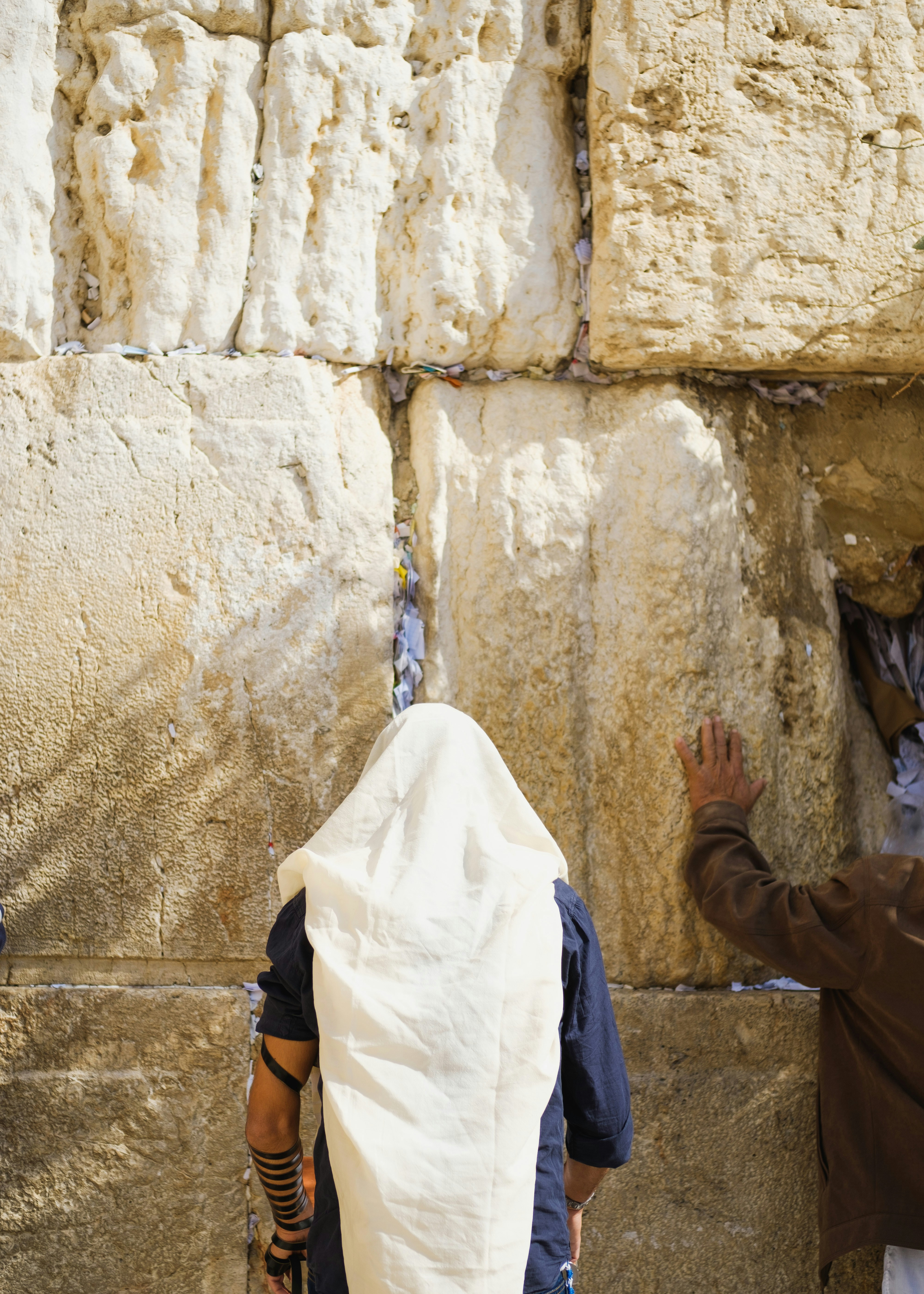
Introduction to Dua
Dua, an essential practice in Islam, refers to the act of supplication or prayer directed towards Allah. It embodies a spiritual connection, allowing Muslims to seek help, guidance, and healing through personal and heartfelt requests. This form of prayer is not confined to obligatory rituals; rather, it is a spontaneous expression of one’s needs and desires. Muslims believe that Dua holds immense power and significance in their spiritual lives, representing a direct line of communication between an individual and the divine.
The concept of Dua transcends mere words, as it is often accompanied by a deep sense of humility and reliance on Allah. When engaging in Dua, worshippers express their vulnerabilities and aspirations, trusting that their supplications will be heard. The act of supplicating provides comfort, particularly in times of distress or illness, as it reinforces the belief that Allah is aware of their struggles and will respond in His wisdom. This relationship is vital in Islamic spirituality, reflecting a profound trust in Allah’s mercy.
Moreover, Dua can be made at any time and in any language, making it an accessible form of worship for all believers. It is a versatile practice that can be tailored to one’s specific circumstances, whether seeking physical healing, emotional support, or guidance in life decisions. Muslims frequently incorporate Dua into their daily routines, especially during moments of prayer or reflection. This practice not only serves individual needs but also fosters a sense of community among believers, as they often share their supplications and prayers with one another.
The Importance of Healing in Islam
In Islam, the concept of health extends beyond mere physical well-being and encompasses spiritual, psychological, and emotional dimensions. Healing is regarded as a holistic approach, integrating both the body and soul in its perspective. The Qur’an and Hadith provide believers with guidance on seeking health, acknowledging that ailments are a part of life that can serve as tests of faith. Believers are thus encouraged to view their sufferings through a spiritual lens, recognizing that trials and tribulations may enhance their closeness to Allah.
Islam teaches that health is a divine blessing and that believers should be grateful for it. When faced with illness or hardship, the practice of making Dua—supplications directed towards Allah—serves as a vital method through which individuals seek comfort and healing. It fosters a sense of hope and reliance on divine intervention, reflecting the belief that all healing ultimately comes from Allah. Dua for healing is not simply a ritual; it represents an active engagement in one’s faith, demonstrating trust in God’s mercy and sovereignty.
Moreover, the act of seeking healing through Dua emphasizes the connection between faith and wellness. This connection is rooted in the understanding that every illness has both a physical and spiritual component, and healing may require attention to both realms. The Prophet Muhammad (peace be upon him) often sought healing through prayer, establishing it as a model for Muslims. By integrating spiritual supplications into their healing journeys, believers are encouraged to pursue a comprehensive approach to health that acknowledges the profound impact of faith on the healing process.
Types of Dua for Healing
Dua, a fundamental component of Islamic practice, serves as an essential means of seeking divine intervention for healing. Various types of Dua can be recited to address different ailments, providing both spiritual comfort and a sense of solace to the individual making the supplication. Understanding these categories can enhance the healing process and aid in aligning oneself with divine mercy.
One primary category includes general supplications (Dua). These are versatile prayers that can be made by anyone, regardless of the specific ailment. Common phrases such as “Allahumma inni as’aluka shifa’” (O Allah, I ask You for healing) can be recited for all types of illnesses, offering a broad avenue for healing. The Prophet Muhammad (peace be upon him) emphasized the importance of making Dua in times of distress, reinforcing the belief that sincere supplications can bring about recovery.
In addition to general supplications, there are specific prayers traditionally associated with particular ailments. For instance, the **Dua for ailments of the heart** includes reciting verses from the Quran, such as Surah Al-Fatiha and Surah Ash-Shifa, which is known for its healing properties. Additionally, specific supplications are attributed to physical ailments like headaches, fever, or chronic illnesses, enabling individuals to seek targeted divine assistance. Each of these prayers holds unique attributes aimed at addressing specific health concerns.
Finally, the use of **Dua in conjunction with natural remedies** is also a significant aspect of healing. Many believe that invoking Allah’s assistance through Dua can enhance the effectiveness of medical treatment. As a reflective act of faith, incorporating healing supplications can create a holistic approach to wellness, blending spiritual and physical healing.
Verses from the Quran and Hadith about Healing
The Quran and Hadith provide invaluable insights regarding healing and the significance of Dua as a means to seek cure. One of the primary verses concerning healing is found in Surah Al-Isra, where Allah states, “And We send down in the Quran that which is healing and mercy for the believers” (17:82). This verse highlights the profound therapeutic nature of the Quran, suggesting it not only guides but also heals the ailments of the heart and soul. The act of reciting the Quranic verses is regarded as a powerful method for invoking healing through Dua.
Moreover, in Surah Ash-Shu’ara, Allah reassures believers that invoking Him in times of distress is granting them solace, stating, “And We will surely give life to the dead and record what they have sent before and their traces, and all things We have enumerated in a clear register” (36:12). This promise of Allah implies that turning to Him through Duas not only leads to physical healing but offers spiritual rejuvenation.
Additionally, numerous Hadiths emphasize the significance of seeking healing through prayer. The Prophet Muhammad (peace be upon him) advised the believers, “There is no disease that Allah has created, except that He also has created its remedy” (Bukhari). This assertion reinforces the Islamic belief that every ailment comes with a potential cure, often through the act of praying. Furthermore, the Prophet (peace be upon him) urged Muslims to make Dua when ill, saying, “Make use of medical treatment, for Allah has not made a disease without appointing a remedy for it” (Bukhari). These teachings highlight the essential role of Dua in the healing process, affirming its importance in the spiritual and physical realms.
How to Make Dua for Healing
Making Dua for healing is an essential practice that reflects a deeper connection with divine will. To begin, one should approach the act of supplication (Dua) with sincerity in their heart, understanding that this is a moment to earnestly seek assistance from Allah. It is crucial to cultivate a mindset of humility and dependency on divine mercy when initiating your prayers.
One effective method of making Dua for healing is to select appropriate timings for supplication. Certain moments are considered more auspicious; for example, the last third of the night, during the call to prayer (Adhan), or after obligatory prayers are optimal times to engage in Dua. It is also recommended to make Dua while facing the Qibla and to commence with praise of Allah, followed by sending blessings on the Prophet Muhammad (peace be upon him). This sets a respectful tone for your supplication and signifies the seriousness of your intent.
In terms of etiquette, it is advantageous to be specific in your requests while making Dua. Rather than asking generically for healing, one may mention the ailment explicitly, along with a plea for complete recovery and well-being. This adds a layer of personal touch to your prayers, enhancing their potency. Furthermore, it is beneficial to maintain an attitude of faith and optimism, believing that Allah is capable of granting healing regardless of the circumstances.
Continuous invocation, along with patience and perseverance, can yield profound spiritual benefits, reinforcing the connection to Allah. Remember, while the healing process might not occur immediately, the act of making Dua serves as a source of solace and strength during difficult times, encouraging you to remain hopeful and steadfast in faith.
Stories of Healing through Dua
Throughout history, countless individuals have turned to the practice of Dua as a source of healing and spiritual solace. The act of supplication is often rooted in unwavering faith, which can lead to profound transformations in their health and overall well-being. One notable account is of a woman who faced a severe illness that had left her doctors perplexed. In her darkest moments, she began to dedicate time to the study of prayer and Dua, particularly those taught in Arabic. Each evening, she recited specific supplications, invoking divine assistance and restoring her belief in hope.
Miraculously, her condition began to improve. She attributes her recovery not only to medical treatments but significantly to her persistent Dua. This deeply personal journey encouraged her community to engage more actively in prayer, leading to a collective emphasis on the power of faith in the healing process.
Another inspiring story comes from a young man struggling with anxiety and depression. Traditional therapies proved insufficient, prompting him to explore the spiritual dimensions of healing. He discovered the impact of daily Dua, focusing on the importance of intentionality and mindfulness during his prayers. By integrating specific verses and supplications into his routine, he began to experience a notable shift in his mental state. The regularity of his Dua provided him with a sense of purpose and connection, enabling him to navigate life’s challenges more effectively.
These accounts highlight that healing can manifest in various forms, guided by faith and heartfelt supplication. The stories reveal not only individual successes but also a broader recognition of the intrinsic link between spirituality and wellness. Ultimately, Dua serves as a vital tool for many seeking holistic healing, encouraging a convergence of hope and faith in the face of adversity.
Common Misconceptions about Dua for Healing
Dua, or supplication, is a profound practice for many seeking healing and comfort in times of illness or distress. However, several misconceptions surround the concept of Dua for health, leading to misunderstandings about its role and efficacy in the healing process. One prevalent misconception is the belief that Dua alone can replace medical treatment. While Dua is an essential spiritual aspect for many individuals, it should not be viewed as an alternative to traditional medicine or medical care. Instead, Dua can be seen as a complementary practice that offers spiritual support during medical treatments.
Another common misunderstanding is related to the expected timing and outcomes of the Dua. People often assume that making Dua will yield immediate results or that it guarantees recovery from health issues. In reality, the effects of Dua can be subtle, and the timing can vary dramatically, depending on numerous factors, including the individual’s situation, faith, and persistence in their prayers. It is essential to approach Dua with the understanding that the Divine wisdom is beyond human comprehension; thus, results may manifest in unexpected ways or times.
Furthermore, some may believe that certain forms of Dua are more potent than others, leading to feelings of inadequacy or discouragement if the desired outcome is not achieved. This notion can detract from the essence of Dua, which is fundamentally about sincerity and connection with the Divine, rather than merely reciting specific phrases or formulas. It is crucial to remember that the strength of Dua lies in the intention behind it and the heartfelt supplication made by the believer. By fostering a genuine connection with the Creator through Dua, individuals may find peace and solace, regardless of their circumstances.
Combining Dua with Medical Treatment
The intersection of faith and medicine plays a pivotal role in the holistic well-being of an individual. For Muslims, integrating Dua—the act of supplication—into their health care regimen can serve as a source of comfort and spiritual strength. This practice does not negate the importance of seeking professional medical assistance; rather, it reinforces the belief that both faith and medicine can work in tandem to promote healing.
When facing health challenges, it is paramount for Muslims to maintain a balanced approach, ensuring that they pursue medical treatment while infusing their healing process with Dua. Many scholars stress that Dua can act as a means of psychological support, helping individuals to find peace and resilience in the face of illness. This spiritual engagement can significantly alleviate anxiety and foster a positive outlook, which is essential for recovery.
Moreover, the practice of making Dua should be coupled with unwavering trust in medical professionals and their expertise. Seeking consultation from healthcare experts, undergoing necessary treatments, and adhering to prescribed medications are crucial components of effective health care. Muslims are encouraged to view Dua as a complementary aspect of their treatment, where they can ask for divine assistance in their healing journey while benefiting from the advances of modern medicine.
In this context, it is beneficial for individuals to personalize their Dua, seeking specific outcomes related to their health conditions. This can involve reciting particular verses from the Quran or invoking the names of Allah that signify healing, thereby reinforcing their faith while still being proactive about their medical treatment.
Ultimately, the synergy between Dua and medical treatment encapsulates a holistic approach to health that values both spiritual and physical dimensions. Faith can serve as a powerful motivator during recovery, urging individuals to remain hopeful while diligently pursuing medical advice.
Conclusion and Reflection
In reflecting on the role of Dua for cure, it is essential to recognize its significance as both a spiritual practice and a form of holistic healing. Throughout the article, we have explored various aspects of how Dua serves as a means of seeking divine intervention for ailments, fostering a profound connection between the individual and the Creator. The power of prayer transcends mere words; it embodies intention, conviction, and faith, which together contribute to a spiritually enriching experience that can complement medical treatment.
The practice of Dua encourages a mindset of hope and resilience. Engaging in regular prayer not only reassures individuals of an ongoing relationship with the divine but also cultivates an atmosphere of tranquility and mental well-being. It promotes emotional stability amidst the trials of illness, allowing individuals to cope better with their health challenges. Furthermore, integrating Dua into daily routines can contribute to a more positive outlook on life, acting as a source of motivation and strength during difficult times.
As we conclude our discussion, it is vital for readers to deepen their understanding of Dua for healing. This spiritual approach to health should not be underestimated; the act of prayer can significantly influence one’s mental, emotional, and even physical state. Therefore, we encourage everyone to remain steadfast in their prayers, approaching both physical and spiritual health with an open heart and unwavering faith. By doing so, one can embark on a holistic journey towards healing, melding together the physical and spiritual for overall well-being.
Leave a Reply