
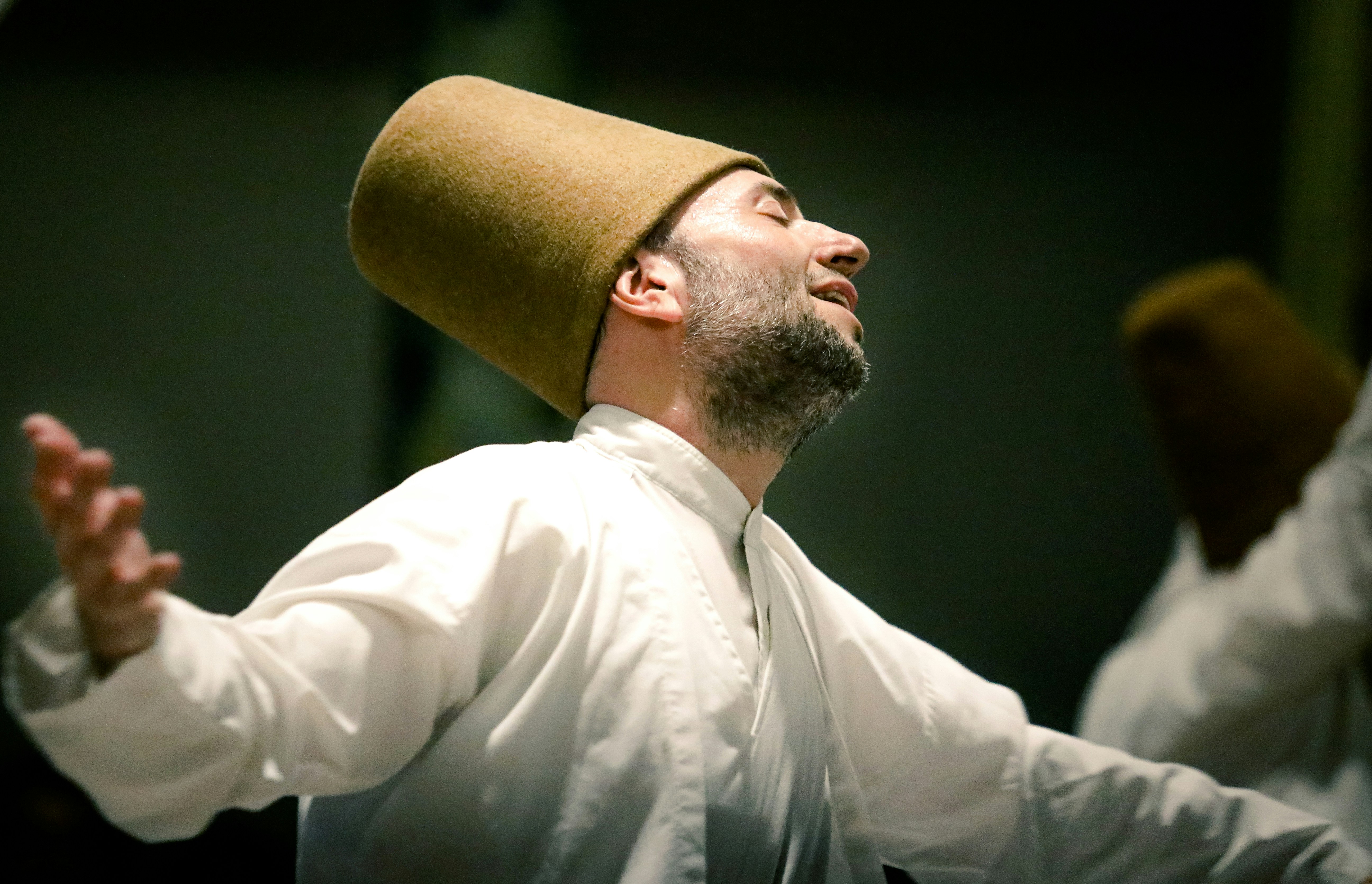
What is Spiritual Healing?
Spiritual healing is a holistic approach focused on the well-being of an individual’s mind, body, and spirit. It aims to restore balance and harmony within the individual, often addressing personal issues that manifest through emotional or physical symptoms. Central to the practice of spiritual healing is the belief that the human being is composed of various energy systems, and disruptions in these systems can lead to negative experiences or ailments.
The purpose of spiritual healing is to foster a sense of peace and empowerment among individuals, enabling them to reconnect with their true selves. Techniques utilized by spiritual healers often incorporate energy work, mindfulness, and spiritual guidance. Energy healing therapies, such as Reiki or Chakra balancing, focus on facilitating the flow of positive energy throughout the body, removing blockages that may hinder personal growth or lead to distress.
Mindfulness practices are also integral to spiritual healing, as they encourage individuals to live in the present moment and cultivate self-awareness. Through mindfulness, clients learn to observe their thoughts and feelings without judgment, creating a safe space for personal reflection and growth. Furthermore, spiritual guidance provided by healers can help clients navigate life’s challenges, offering insights and encouraging self-discovery.
Spiritual healing encompasses various facets, including emotional healing, energetic clearing, and facilitating connections with spiritual wisdom. It recognizes that each individual is unique, thus requiring tailored approaches to foster true healing. The ultimate goal of spiritual healing is not merely to alleviate symptoms but to promote a profound transformation that creates a harmonious and fulfilling life.
Types of Spiritual Healers
Spiritual healers encompass a diverse array of practitioners who employ various methodologies, philosophies, and approaches to facilitate healing on spiritual, emotional, and sometimes physical levels. Understanding the different types of spiritual healers can help individuals identify which practices resonate best with their personal beliefs and healing needs.
Shamans are among the most well-known types of spiritual healers, originating from indigenous cultures around the globe. They utilize rituals, journeying, and drumming to access altered states of consciousness, allowing them to communicate with spirit guides or ancestors. This connection enables shamans to bring back guidance and healing energy for their clients, often addressing issues related to trauma or emotional blockages.
Reiki practitioners, on the other hand, focus on energy healing through a system of techniques that channel universal life force energy. This form of healing encourages relaxation, reduces stress, and promotes healing by placing hands either directly on or above the client’s body. This approach is based on the belief that disruptions in the flow of energy can lead to health issues, and therefore restoring balance can enhance overall well-being.
Intuitive healers rely on their heightened sensitivity and intuition to detect energetic imbalances within individuals. They often employ a variety of modalities, including guided imagery, meditation, and channeling. These healers may receive insights or messages that help them guide their clients towards healing. Each intuitive healer may have a unique style but fundamentally seeks to empower individuals to access their inner wisdom and achieve personal transformation.
In addition to these, there are many other types of spiritual healers, such as crystal healers, sound healers, and astrological healers, each contributing unique tools and insights. As individuals explore the world of spiritual healing, understanding these various types can enhance their healing journeys and support them in finding the right practice for their specific needs.
The Importance of Intuition in Spiritual Healing
The role of intuition in spiritual healing is often seen as an essential element that guides healers in their practice. Intuition can be described as the ability to understand something instinctively, without the need for conscious reasoning. For spiritual healers, this innate sense becomes a vital tool that informs them about their clients’ emotional and spiritual needs. Developing intuitive skills not only enhances a healer’s capabilities but also enriches the overall healing process.
When a healer attunes to their intuition, they are better positioned to identify specific issues that might not be immediately evident during a session. This can include underlying emotional trauma, energy blockages, or spiritual disconnection, which can all impact a person’s well-being. By trusting their gut feelings and inner guidance, spiritual healers can create a more personalized healing experience, enabling a deeper connection with their clients.
Furthermore, intuition allows spiritual healers to tailor their methods based on the unique circumstances of each client. For instance, as they draw on their intuitive insights, they might feel compelled to use particular techniques or tools that resonate with the client’s energy. Being open to these intuitive nudges not only fosters healing but also strengthens the healer-client relationship, as clients often feel more understood and supported.
For individuals aspiring to become spiritual healers, nurturing and developing intuitive abilities is crucial. This can be achieved through various practices such as meditation, mindfulness, and other exercises that encourage self-awareness. By honing their intuitive skills, healers can better serve their clients, paving the way for more effective spiritual healing alignments.
Spiritual Healing Techniques and Practices
Spiritual healing encompasses a variety of techniques designed to restore balance and well-being in individuals. Among these, energy healing is a prominent method that focuses on manipulating the body’s energy fields. Practitioners believe that by channeling energy, they can help individuals overcome physical, emotional, and spiritual blockages. Techniques like Reiki are commonly used in energy healing, where practitioners use their hands to transfer healing energy to the patient.
Meditation is another essential practice in spiritual healing. It involves techniques that promote relaxation, self-awareness, and mental clarity, which are vital for healing. Through meditation, individuals can connect with their inner self, fostering a sense of peace and tranquility. This practice not only aids in stress reduction but also enhances the healing journey by facilitating deeper insights into one’s life challenges.
Crystal therapy, a method that has gained popularity, involves the use of crystals and gemstones to promote healing. Each stone is believed to emit specific frequencies that align with different chakras, or energy centers, in the body. Practitioners may place these crystals on or around a person to help balance energy. The qualities attributed to various crystals can assist in addressing physical ailments or emotional distress.
Sound healing is yet another approach used by spiritual healers. This technique utilizes sound frequencies—often through instruments like singing bowls, gongs, or tuning forks—to promote healing. It is founded on the principle that sound can facilitate deep relaxation and help to release emotional traumas. Scientific studies suggest that sound vibrations can positively affect the body and mind, reinforcing the belief in this ancient practice.
The Benefits of Spiritual Healing
Spiritual healing encompasses a range of practices designed to enhance one’s overall well-being, addressing not just physical ailments but also emotional and spiritual distress. One significant benefit of spiritual healing is emotional relief. Individuals often find that through spiritual healing techniques, they are able to process and release pent-up emotions, leading to a profound sense of peace and balance in their lives.
Stress reduction is another critical advantage of engaging in spiritual healing. Many clients report a significant decrease in stress levels after participating in healing sessions, citing practices like meditation, energy clearing, and guided visualization as effective methods for calming the mind and reconnecting with the self. These techniques assist individuals in managing their daily lives more effectively by fostering a sense of inner calm.
Spiritual growth represents an essential component of the healing process as well. As clients explore deeper aspects of their being, they often emerge with a renewed sense of purpose and understanding of their life’s path. This personal development can lead to transformative experiences, empowering individuals to make positive changes in their lives.
Additionally, many people have attested to the physical healing experienced through spiritual practices. Reports of reduced pain levels, improved immune function, and even the alleviation of chronic conditions have been documented. For instance, a client may share how regular spiritual healing sessions led to significant improvements in their autoimmune disorder, attributing their recovery to the positive energy and support provided during these sessions.
Overall, the benefits of spiritual healing are multifaceted, offering emotional, spiritual, and physical advantages that can enhance the quality of life for those who choose to embark on this transformative journey. Testimonials from clients illustrate the profound impact these practices can have, supporting the notion that spiritual healing is a valuable resource for holistic well-being.
How to Choose a Spiritual Healer
Choosing the right spiritual healer can be a pivotal decision that significantly impacts one’s personal journey towards healing and self-discovery. A few critical factors should be taken into account when selecting a spiritual healer that resonates with your needs. Firstly, examining the healer’s qualifications is essential. Ideally, a spiritual healer should possess formal training and certifications, if applicable. This background ensures that they have a foundational understanding of healing practices and methodologies.
The healer’s healing style is another crucial consideration. Different spiritual healers may utilize various approaches, such as energy healing, crystal healing, or intuitive counseling. Exploring these different modalities can help you identify which method feels most aligned with your personal beliefs and preferences. Some individuals may prefer a more scientific-based approach, while others might lean towards more intuitive or mystical practices.
Moreover, personal resonance is important when selecting a spiritual healer. This involves assessing how you feel in their presence and whether their energy aligns with your own. Many individuals find that a healer’s energy can either uplift or drain them, so trust your instincts when it comes to this aspect. Engaging in introductory sessions or initial consultations can also provide insights into the healer’s personality and approach.
Lastly, seek recommendations or reviews from others who have experienced healing with the practitioner. Understanding their experiences can offer guidance in making an informed decision. Ultimately, ensuring that your chosen spiritual healer aligns with your personal journey and emotional needs will foster an environment conducive to healing and transformation.
Misconceptions About Spiritual Healing
Spiritual healing is often shrouded in misunderstandings and myths that can misconstrue its purpose and efficacy. One common myth is that spiritual healing is a magical solution, as though it can instantly cure physical ailments or solve all life problems without any effort from the individual. In reality, spiritual healing aims to promote emotional and spiritual well-being, offering guidance and support rather than serving as a substitute for medical treatment.
Another misconception is that spiritual healers possess supernatural powers or abilities. Many individuals may perceive these practitioners as mystics or sorcerers capable of performing extraordinary feats. However, spiritual healing is generally based on practices designed to enhance one’s own natural ability to heal and connect with their inner self. Healers often facilitate this process, offering techniques such as meditation, energy work, and intuitive insights to help clients access their potential.
Financial exploitation is a prevalent concern tied to the realm of spiritual healing. The fear that healers might charge exorbitant fees for their services adds an additional layer of skepticism. While there are practitioners who may not adhere to ethical standards, many spiritual healers offer their services with genuine intent, emphasizing healing as a collaborative journey. It is essential for individuals seeking healing to research and choose practitioners who are reputable and transparent in their practices.
Risks associated with spiritual healing are also frequently overstated. Some may allow misconceptions to hinder them from exploring spiritual paths, fearing repercussions or harm. When undertaken responsibly, spiritual healing poses limited risks and can provide beneficial insights and emotional support. Yet, it is vital for anyone considering spiritual healing to approach it with an open mind and an awareness of their own personal boundaries and needs.
The Role of Spiritual Healing in Modern Life
In contemporary society, spiritual healing has gained significant traction as individuals seek holistic methods to enhance their well-being. This approach not only addresses the physical aspects of health but also emphasizes emotional and spiritual dimensions, contributing to a more integrated understanding of wellness. Spiritual healing incorporates various techniques, including energy healing, mindfulness practices, and meditation, which aim to restore balance within the individual.
One of the most notable trends is the increasing popularity of yoga, which, while rooted in ancient spiritual traditions, has become a mainstream practice. Yoga fosters a connection between the mind, body, and spirit, highlighting the importance of spiritual healing in fostering overall health. Many practitioners have turned to yoga as a form of therapy, acknowledging its potential for promoting mental clarity, emotional stability, and spiritual growth.
Moreover, the rise of holistic health practices reflects a broader societal trend towards incorporating spiritual healing into daily life. People now seek out spiritual healers and wellness workshops, recognizing the benefits of connecting with their inner selves. This acceptance stems from a growing awareness of the interconnectedness of physical health and spiritual well-being. Various health professionals, including psychologists and alternative medicine practitioners, are beginning to embrace spiritual healing modalities, further legitimizing their role in modern wellness.
As spiritual healing continues to integrate into mainstream health practices, it opens avenues for personal transformation and community connection. Individuals are encouraged to explore their spiritual paths, leading to enhanced personal growth and greater resilience. By recognizing the value of spiritual healing, contemporary society acknowledges the need for a more nuanced and multifaceted approach to health, one that nurtures not only the body but also the spirit.
Conclusion: Embracing Spiritual Healing
In summary, spiritual healing is a vital practice that transcends traditional medical approaches, offering a holistic perspective on well-being that encompasses the mind, body, and spirit. By addressing emotional and spiritual imbalances, individuals can unlock their potential for personal growth and a deeper understanding of themselves. This practice allows for the exploration of one’s inner self, often revealing profound insights that contribute to overall life satisfaction.
As we reflect on the significance of spiritual healing, it becomes evident that integrating these practices into daily life can lead to considerable benefits. Individuals seeking harmony within themselves may find solace in meditation, mindfulness, or engaging with nature, fostering a deeper connection to their spiritual essence. These activities serve as tools for enhancing awareness, promoting mental clarity, and encouraging emotional resilience.
Moreover, spiritual healing can be approached in various ways, making it accessible to everyone, regardless of their background or beliefs. Whether through guided sessions with a spiritual healer, participating in group ceremonies, or practicing self-healing techniques at home, there are abundant opportunities to explore and embrace this transformative journey. It is essential for individuals to remain open-minded and willing to experiment with different methods that resonate with their unique circumstances.
Ultimately, embracing spiritual healing can lead to a more fulfilling life characterized by a sense of peace, purpose, and connection to the universe. By recognizing the importance of nurturing one’s spirit, individuals can foster an environment that supports healing and growth, paving the way for a healthier, more balanced existence. As we continue to navigate through life’s challenges, let us consider how adopting spiritual healing practices can profoundly impact our overall well-being and personal development.
Leave a Reply